
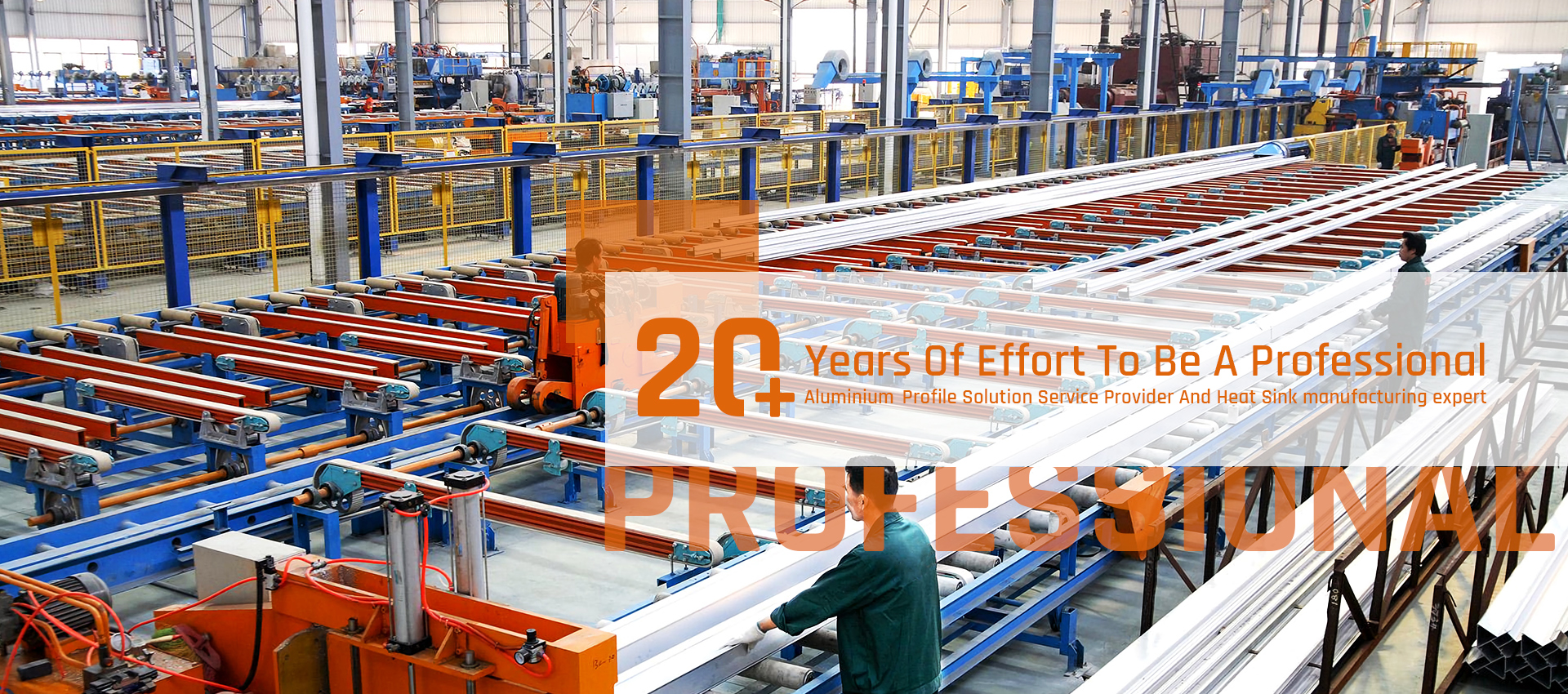
Aluminum Extrusion Process in China: Leading Manufacturers Explained
The aluminum extrusion process is a game-changer for industries seeking durable and lightweight materials. As someone who has worked closely with top manufacturers in China, I understand the importance of quality and precision in this process. Whether you're in construction, automotive, or electronics, the versatility of extruded aluminum can meet your specific needs. China's advanced manufacturing capabilities mean you get exceptional products at competitive prices, without compromising on standards. From initial design to the final product, every step in the aluminum extrusion process is optimized to deliver tailored solutions. I’ve seen firsthand how businesses can elevate their projects with custom profiles and shapes, enhancing both functionality and aesthetics. Partnering with a reliable Chinese manufacturer means you can trust the quality and performance of your aluminum components. Let’s explore how the right extrusion solutions can propel your business forward!
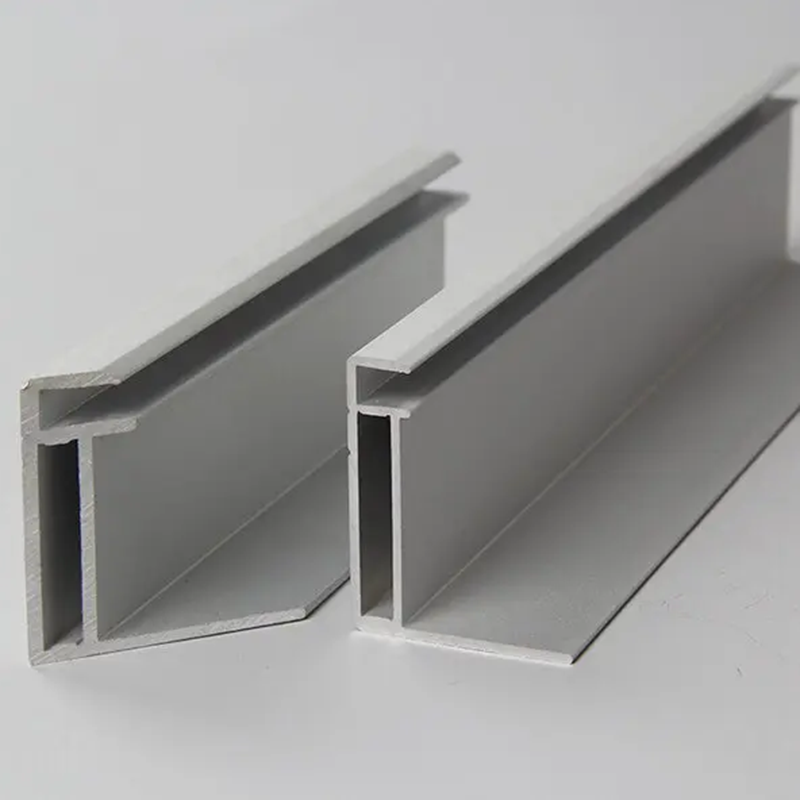
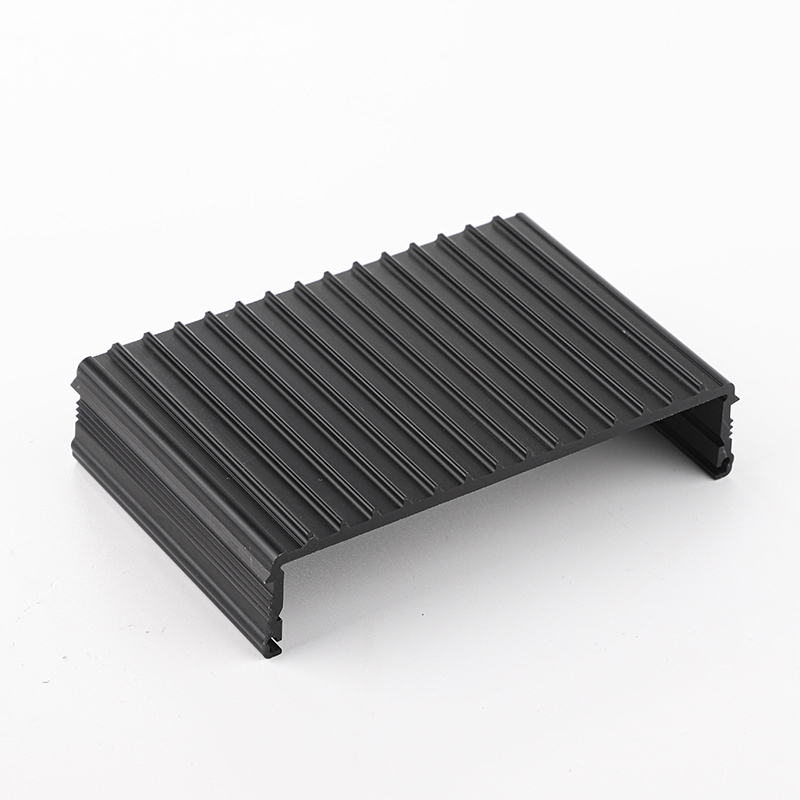
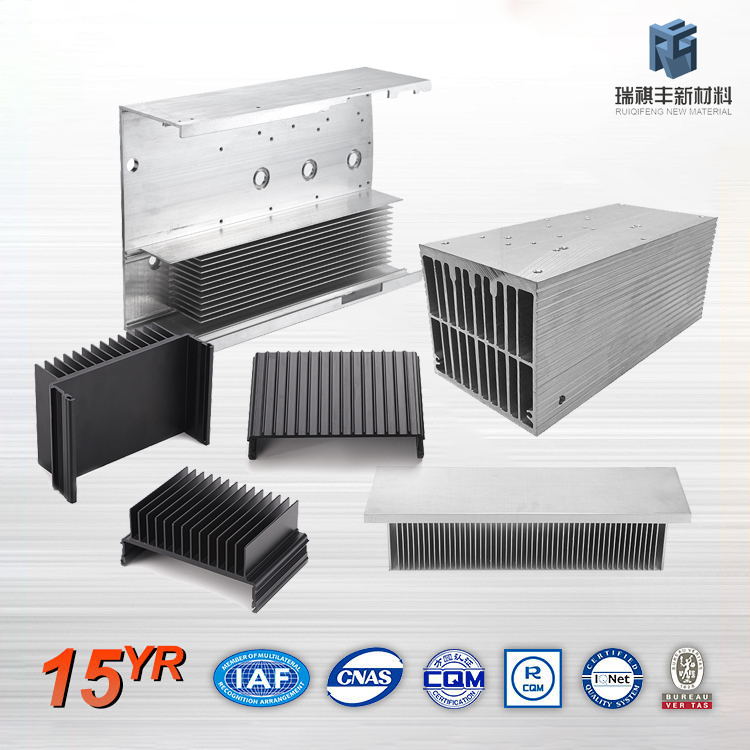
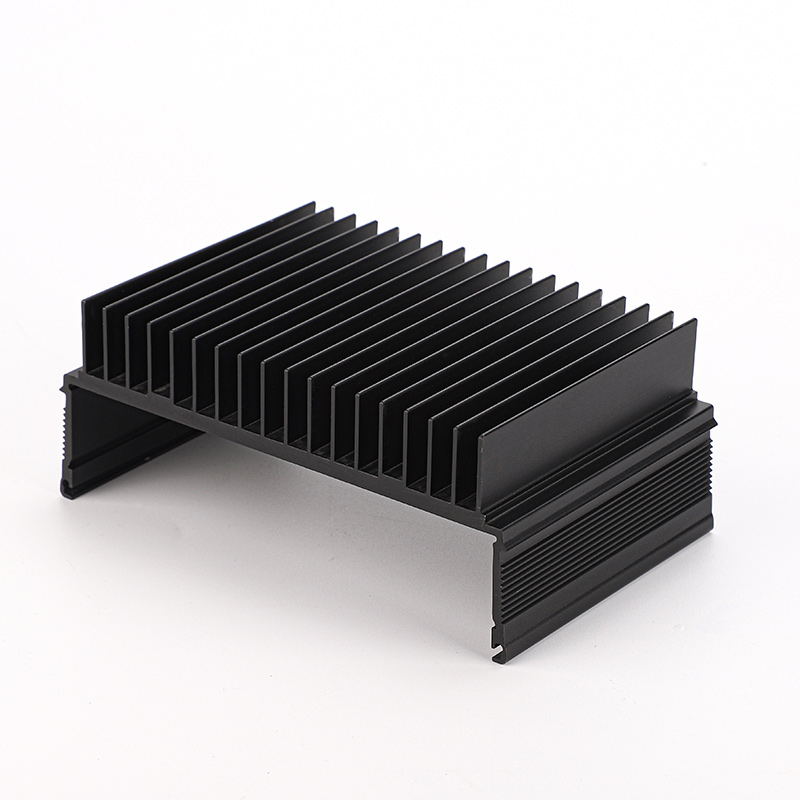
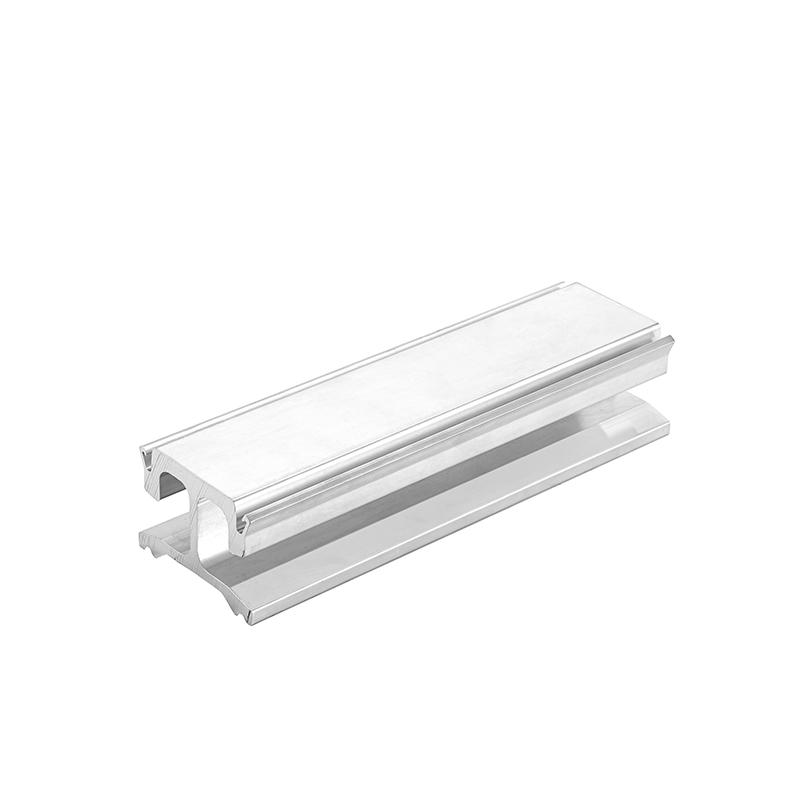

Aluminum Extrusion Process Dominates Where Innovation Meets 2025
In an era where innovation propels industries forward, the aluminum extrusion process stands out as a pivotal technology, especially as we approach 2025. With its unique ability to transform aluminum into intricate shapes, this process has become a cornerstone for manufacturers around the globe, ensuring that businesses can meet the increasing demands for lightweight, durable, and sustainable materials. As sectors such as automotive, construction, and consumer goods continue to evolve, the versatility of aluminum extrusions offers a strategic advantage for companies aiming to stay competitive. Recent advancements in aluminum extrusion technologies have led to enhanced efficiency and reduced production costs, inviting more global buyers to explore the benefits of integrating these materials into their supply chains. Innovations, such as improved alloy formulations and automated handling systems, allow for complex designs that meet stringent performance standards. As manufacturers seek to implement sustainability practices, aluminum's recyclability and reduced carbon footprint further cement its position as a preferred material for forward-thinking businesses. As we look to 2025, the synergy between innovation and the aluminum extrusion process is likely to foster exciting opportunities for collaboration among suppliers and buyers worldwide. By embracing these advancements, companies can not only optimize their operations but also contribute to a more sustainable future in manufacturing. Emphasizing the importance of reliable partnerships in sourcing and innovation will be key to capitalizing on the potential that aluminum extrusions offer in various industries.
Aluminum Extrusion Process Dominates Where Innovation Meets 2025
| Process Type | Usage Applications | Market Growth Rate (2025) | Innovative Techniques |
|---|---|---|---|
| Direct Extrusion | Construction, Automotive | 5.5% | 3D Printing Integration |
| Indirect Extrusion | Aerospace, Electronics | 4.2% | Enhanced Surface Treatments |
| Vertical Extrusion | Consumer Products, Decoration | 6.0% | Smart Manufacturing |
| Horizontal Extrusion | Transportation, Furniture | 5.8% | AI-driven Process Control |
Related Products
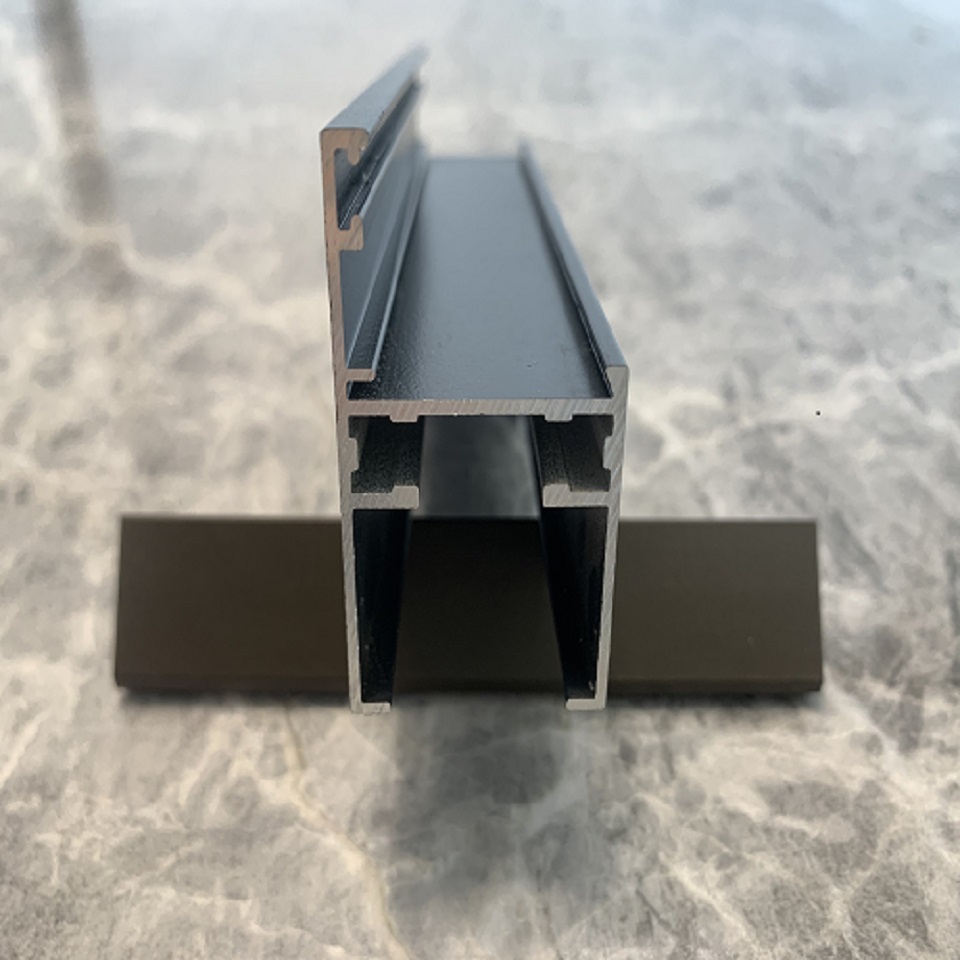

Aluminum Extrusion Process Manufacturer Pioneers in the Field
Top Selling Products

- Related Blog
- Related Videos
- Reviews


