
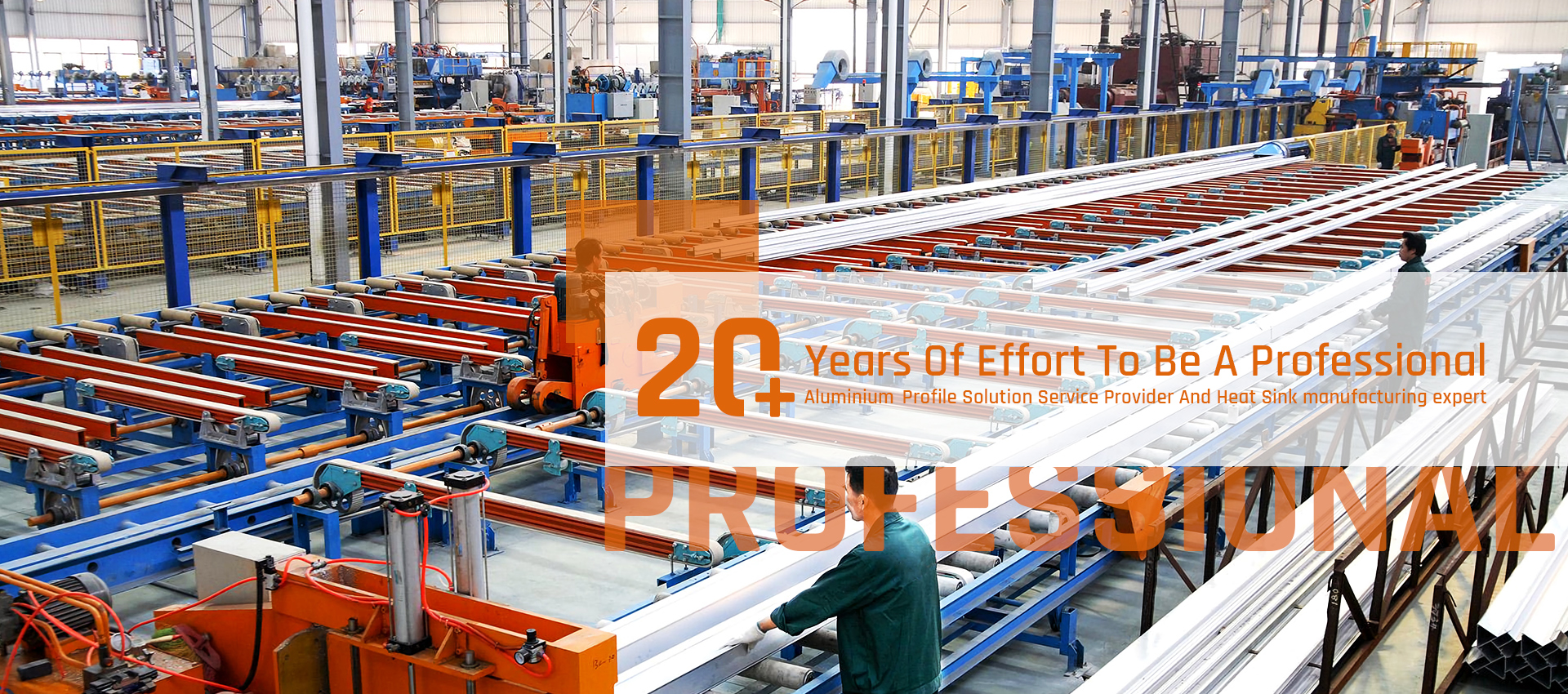
China Aluminium Heat Sink & Extrusion Manufacturer for Optimal Solutions
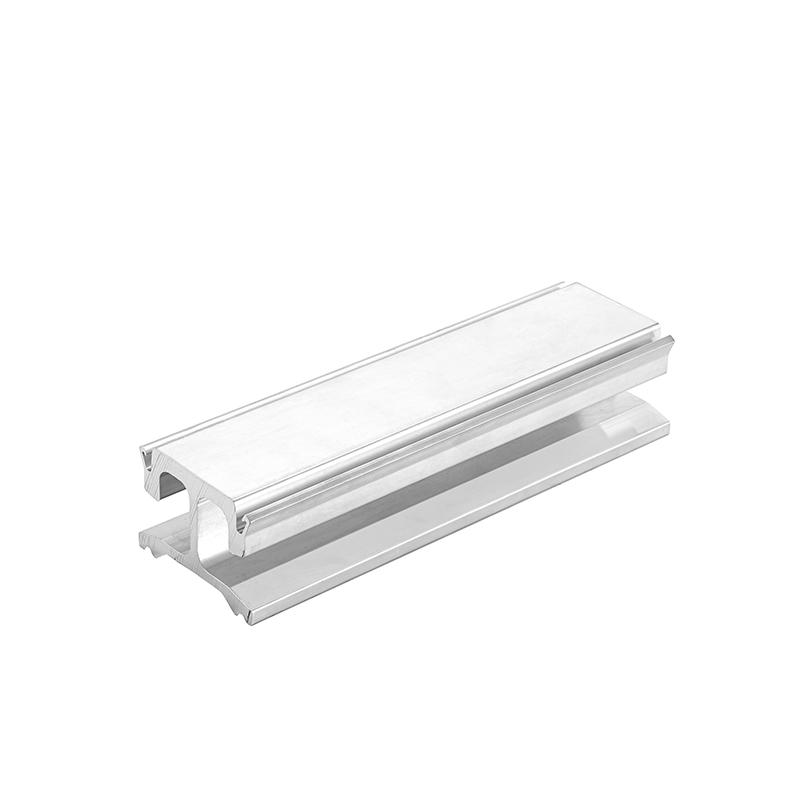
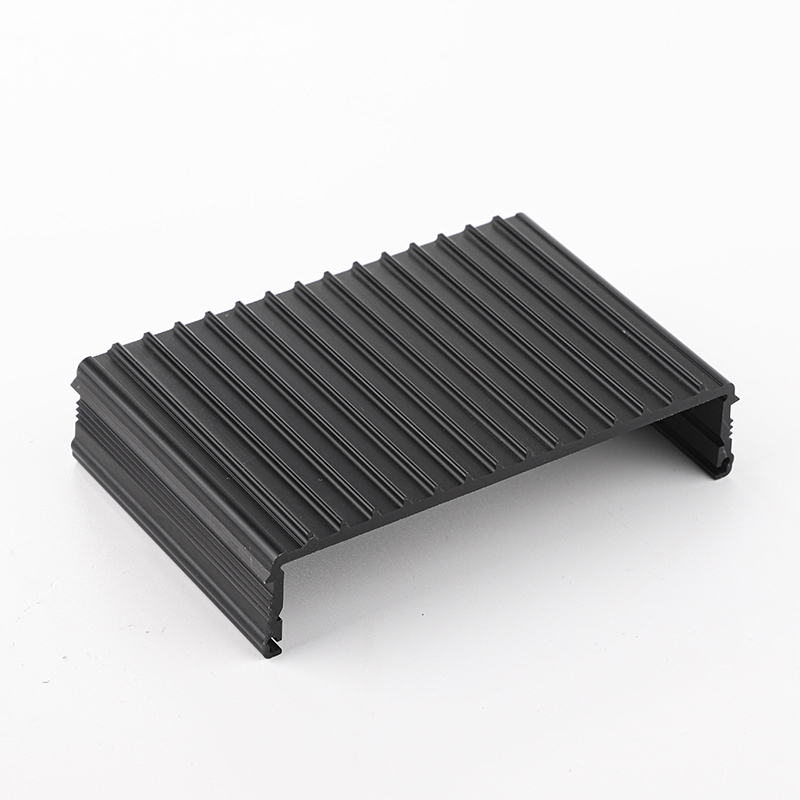
When it comes to high-quality aluminium solutions, our China Aluminium Heat Sink and Aluminium Extrusion products stand out. I’ve seen firsthand how these materials are crafted with precision, ensuring optimal performance for various applications. As a manufacturer based in China, we take pride in producing heat sinks that enhance thermal management while providing exceptional durability. Our aluminium extrusions are designed to meet diverse industry needs, whether you’re in electronics, automotive, or construction. I understand the importance of reliable sourcing, and that's why we focus on delivering products that exceed your expectations. From custom designs to standard profiles, we cater to every requirement with flexibility. By choosing our aluminium solutions, you’re partnering with a trusted manufacturer committed to quality and excellence. Let’s work together to find the perfect aluminium products tailored to your specifications. Reach out today, and let’s make your project a success!
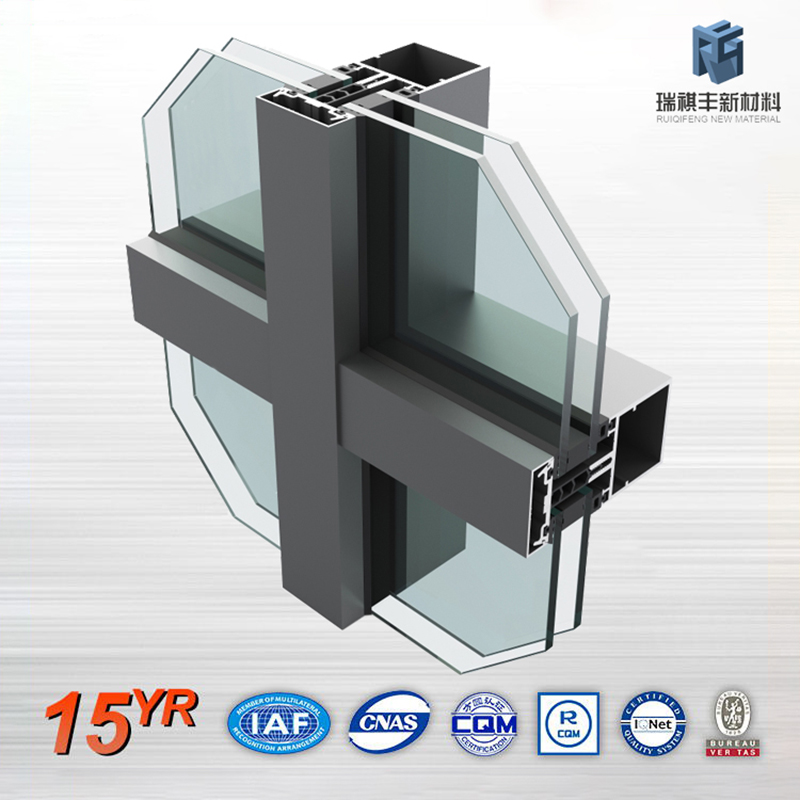
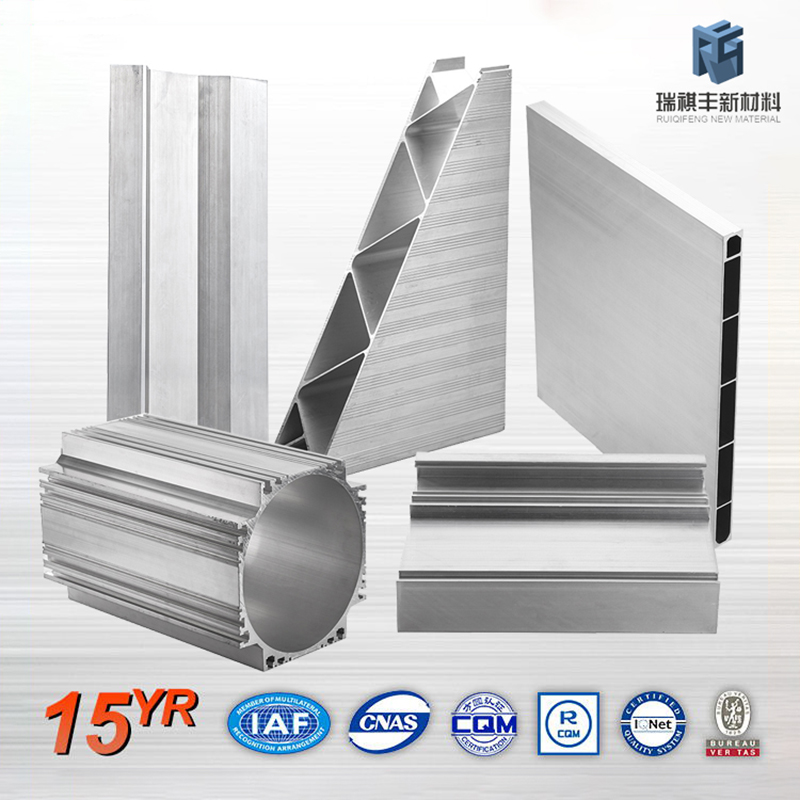
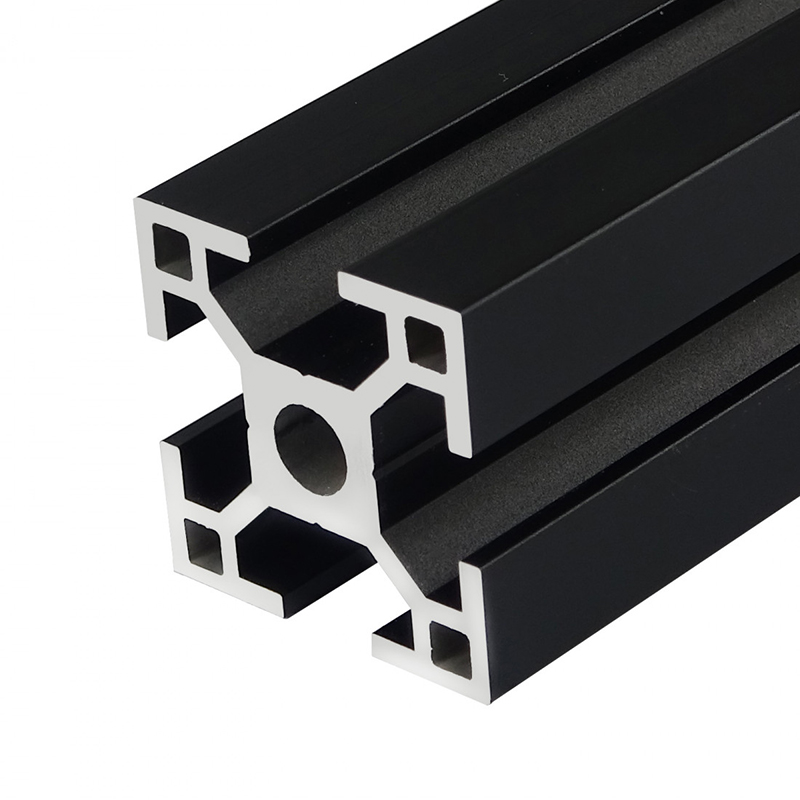

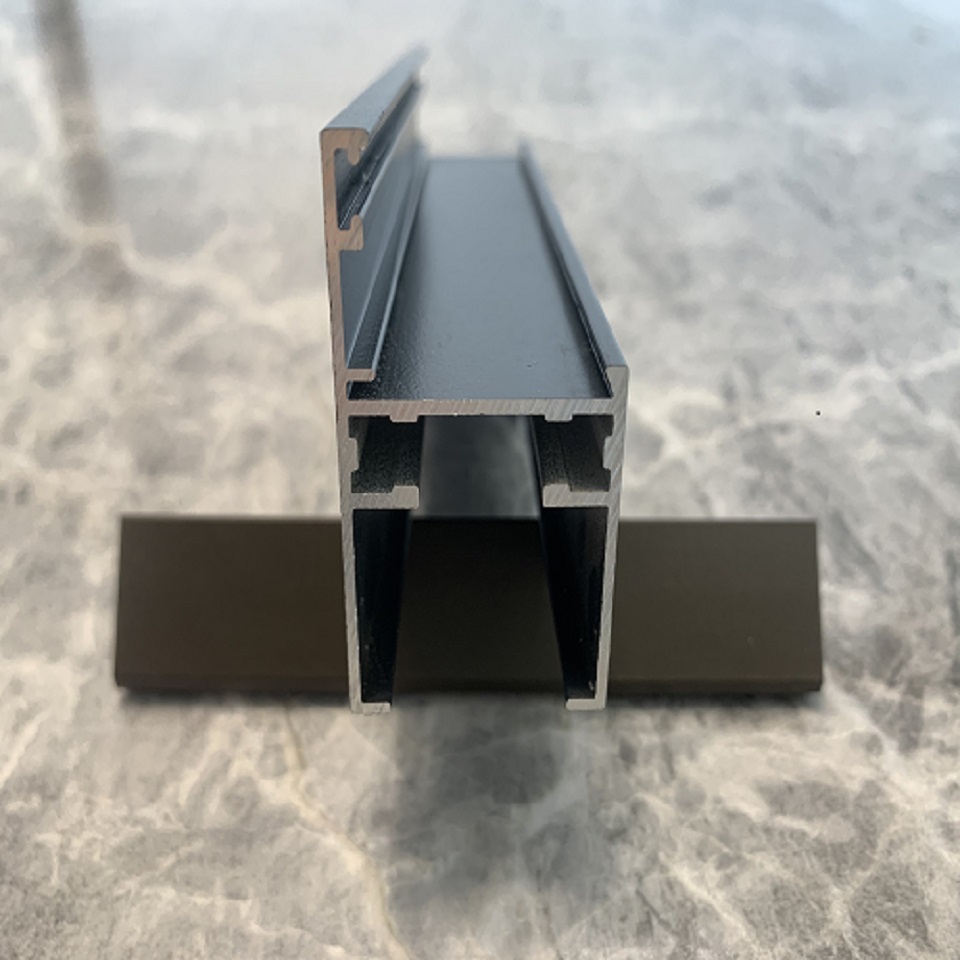
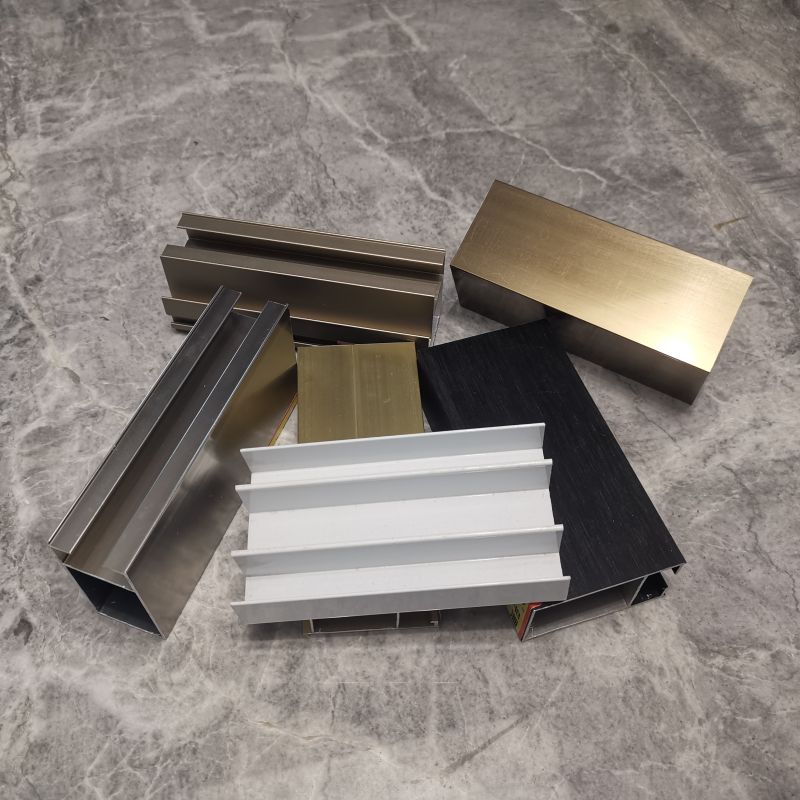
China Aluminium Heat Sink and Aluminium Extrusion Guarantees Peak Performance Where Service Meets Innovation
In the ever-evolving landscape of technology and manufacturing, the demand for efficient thermal management solutions is paramount. Aluminium heat sinks and extrusions are at the forefront of this innovation, offering unparalleled performance in a variety of applications. Not only do these components enhance heat dissipation, but they also provide lightweight and durable solutions that can be tailored to meet specific industry needs. By embracing innovative designs and materials, manufacturers can guarantee peak performance, ensuring that both functionality and aesthetics are often achieved simultaneously. The versatility of aluminium extrusions allows for customized solutions tailored to distinct project requirements. Whether for electronics, automotive applications, or renewable energy systems, the ability to create complex shapes and sizes ensures that end products are optimized for performance while remaining cost-effective. Moreover, advancements in fabrication techniques have led to improved precision and reduced lead times, making it easier for global buyers to access high-quality materials that drive their projects forward. As industries continue to prioritize sustainability, the recyclability of aluminium serves as an added advantage. It aligns with the growing emphasis on eco-friendly practices in manufacturing. Global procurement professionals can feel confident in selecting aluminium heat sinks and extrusions that not only meet their operational challenges but also support a greener future. In a world where service meets innovation, the right partnerships in aluminium supply can lead to significant advancements in performance and efficiency across various sectors.
China Aluminium Heat Sink and Aluminium Extrusion Data
| Application | Material Type | Dimensions (mm) | Thermal Conductivity (W/m·K) | Surface Treatment |
|---|---|---|---|---|
| LED Lighting | 6063 Aluminum | 100 x 50 x 5 | 200 | Anodized |
| Electronic Devices | 6061 Aluminum | 80 x 40 x 4 | 150 | Powder Coating |
| Automotive Components | A356 Aluminum | 200 x 100 x 10 | 180 | Brushed Finish |
| HVAC Systems | 6060 Aluminum | 150 x 75 x 8 | 160 | Anodized |
| Solar Panels | 6063 Aluminum | 120 x 60 x 5 | 200 | Natural Finish |
Related Products
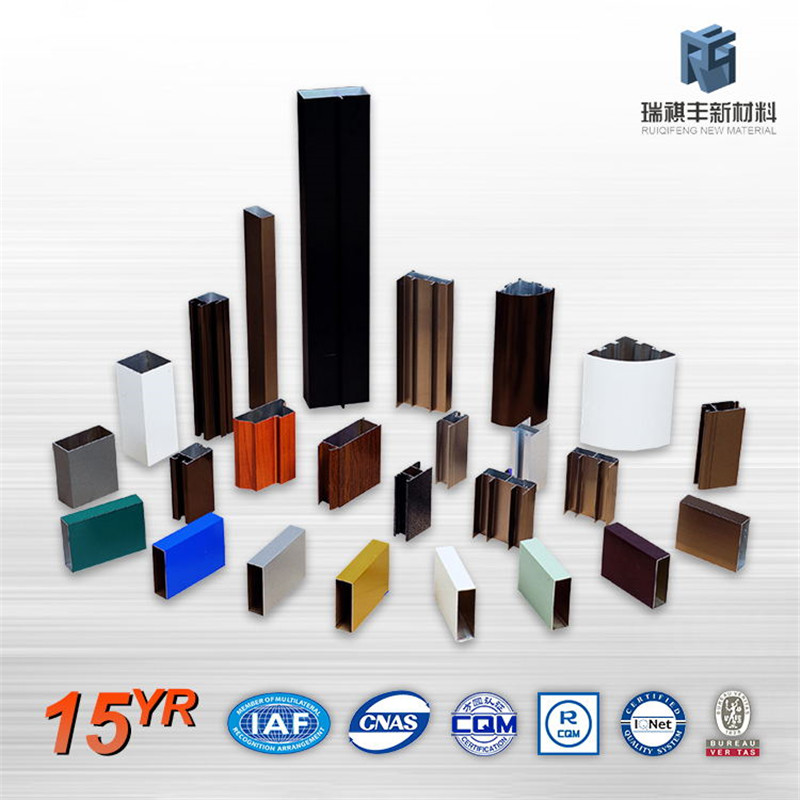

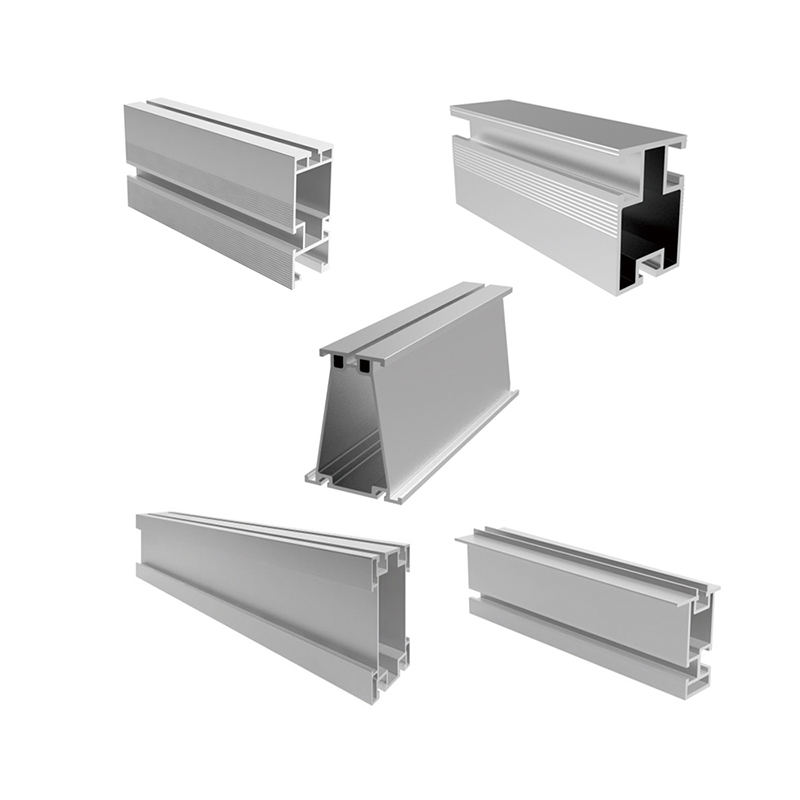
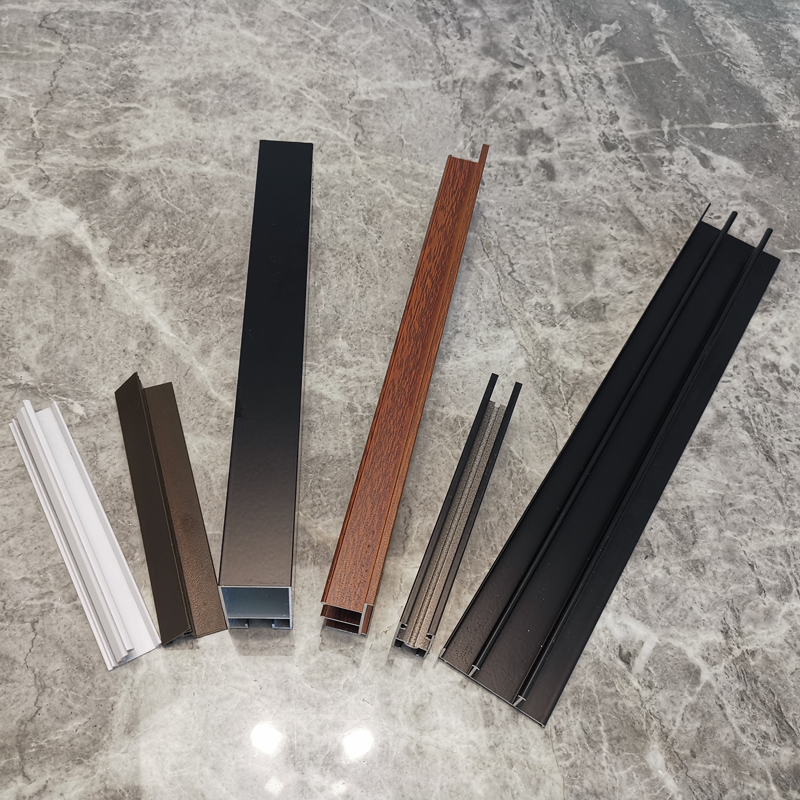


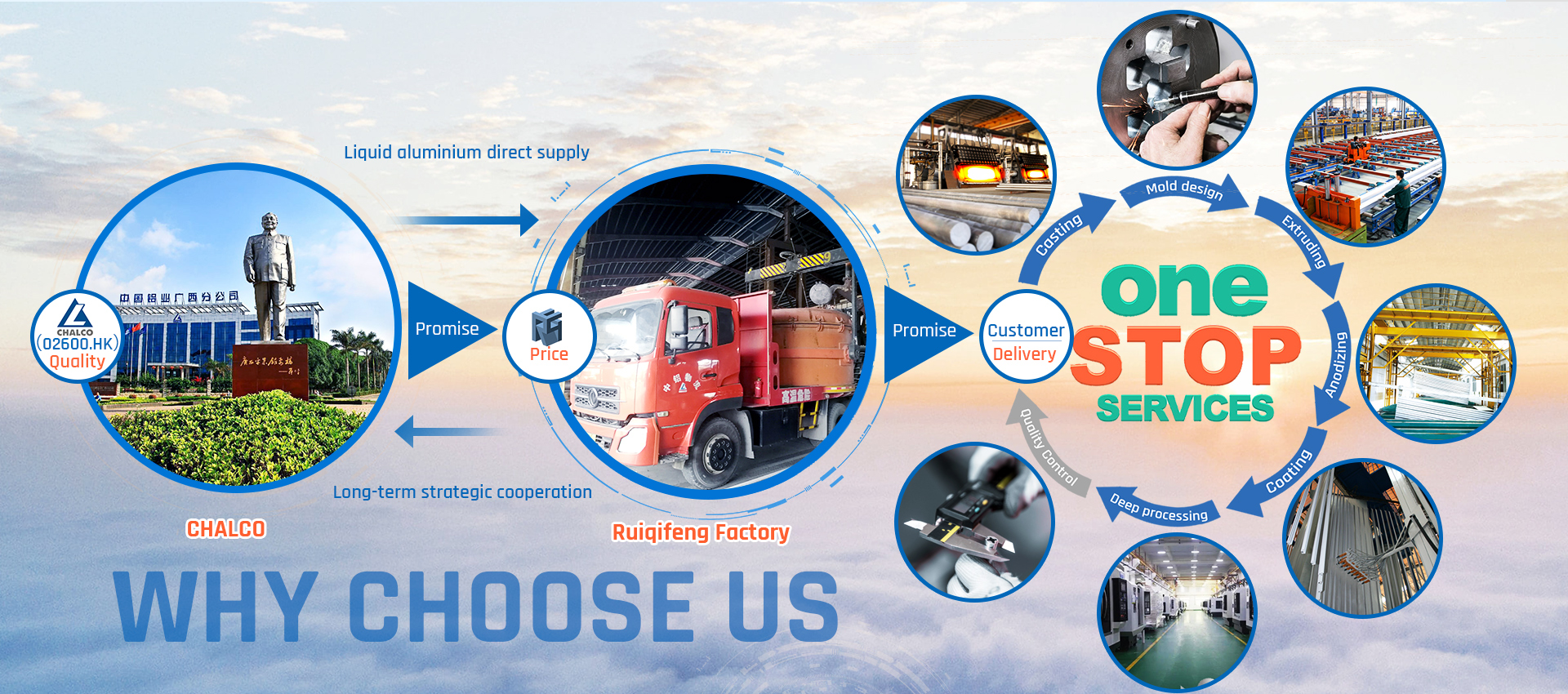
China Aluminium Heat Sink and Aluminium Extrusion Delivers Unmatched Quality More Than a Supplier - A Partner
Top Selling Products
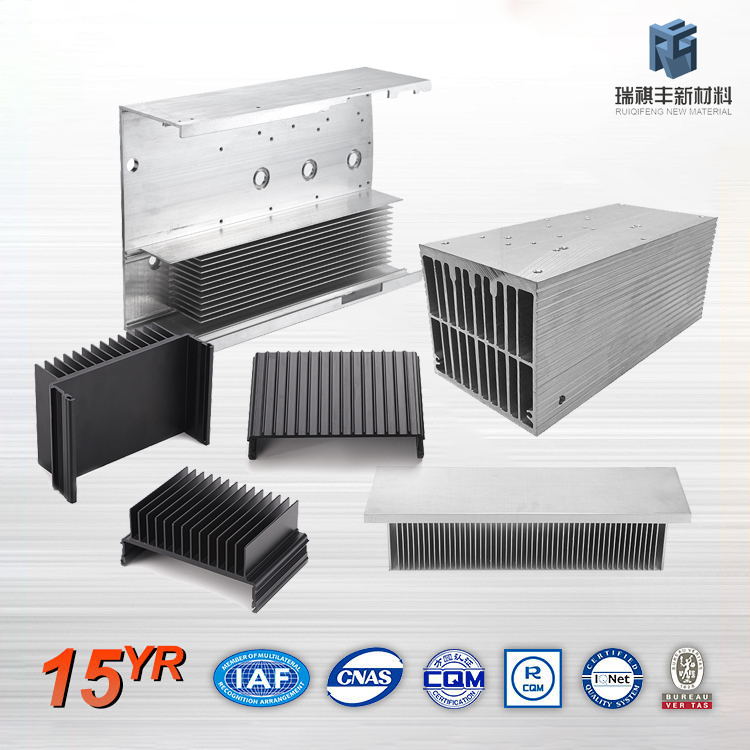
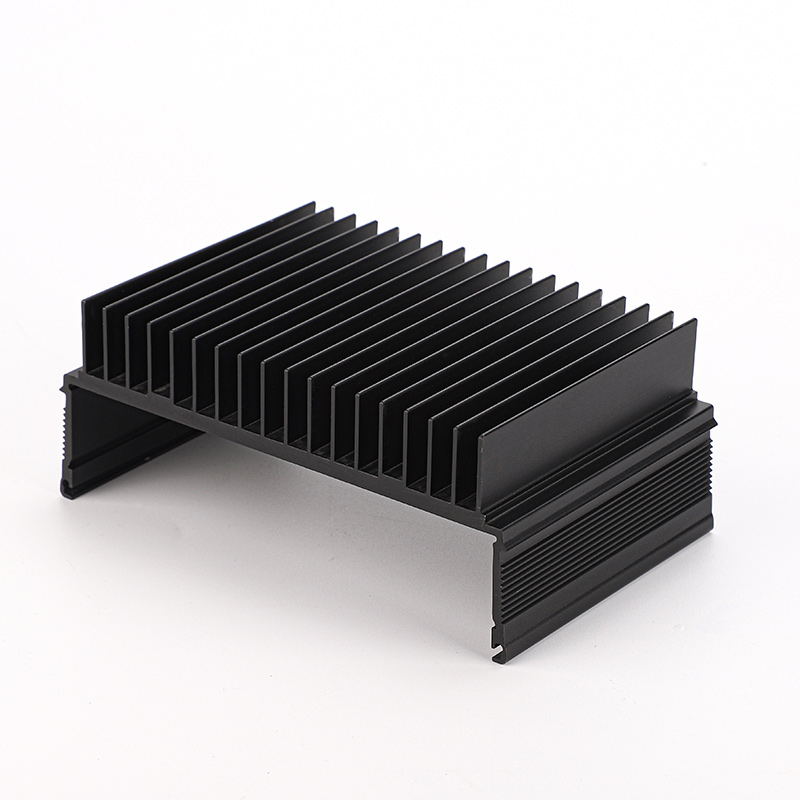
- Related Blog
- Related Videos
- Reviews


