
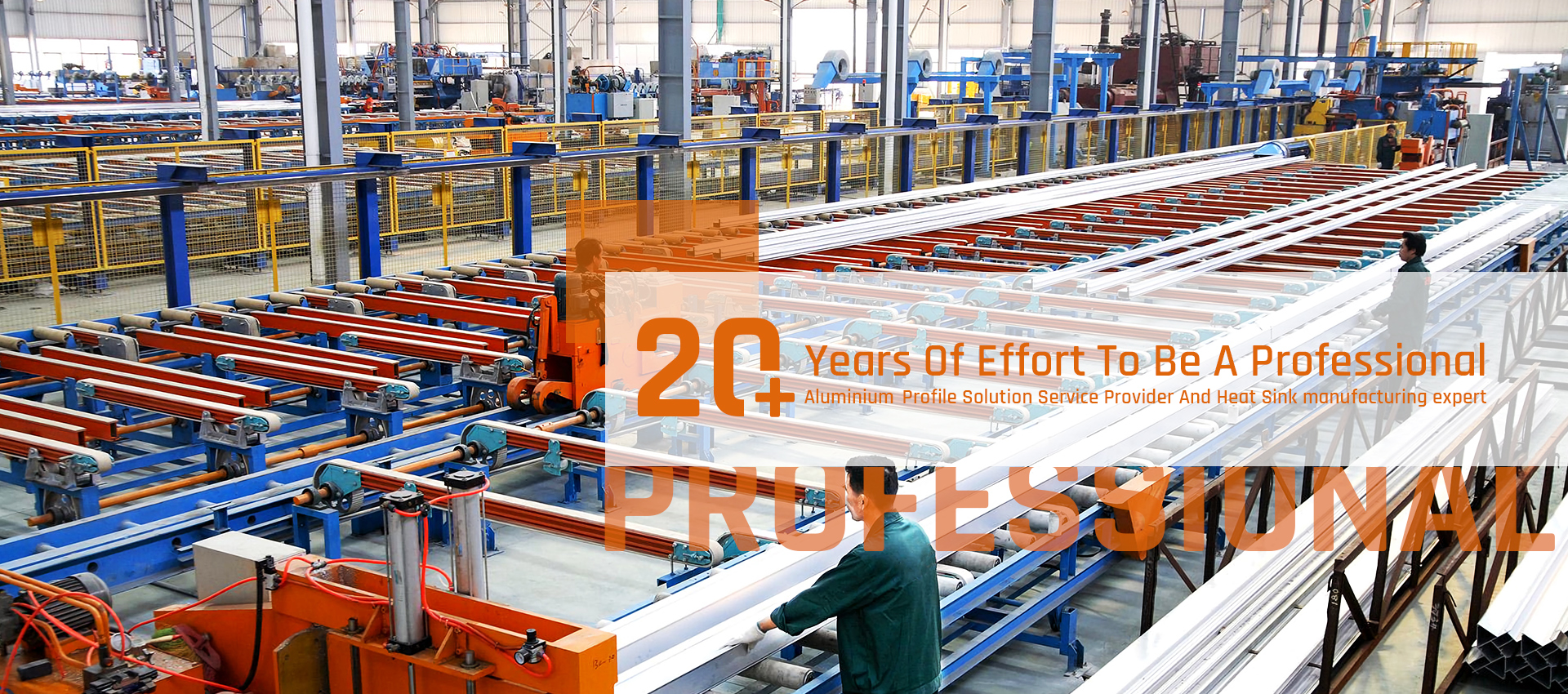
Top China Aluminum and Alloy Manufacturers for Quality Materials
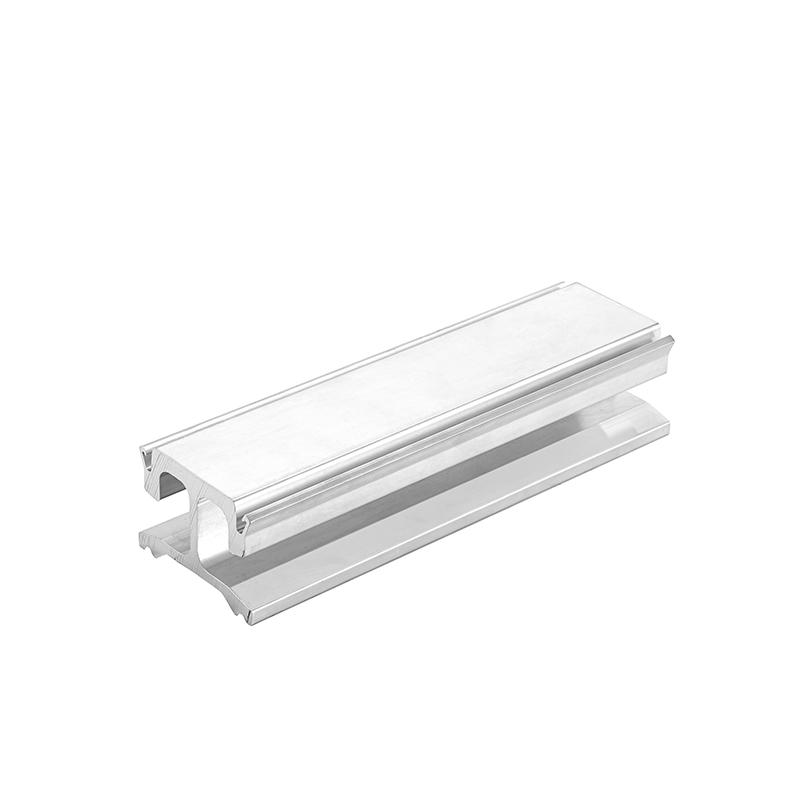
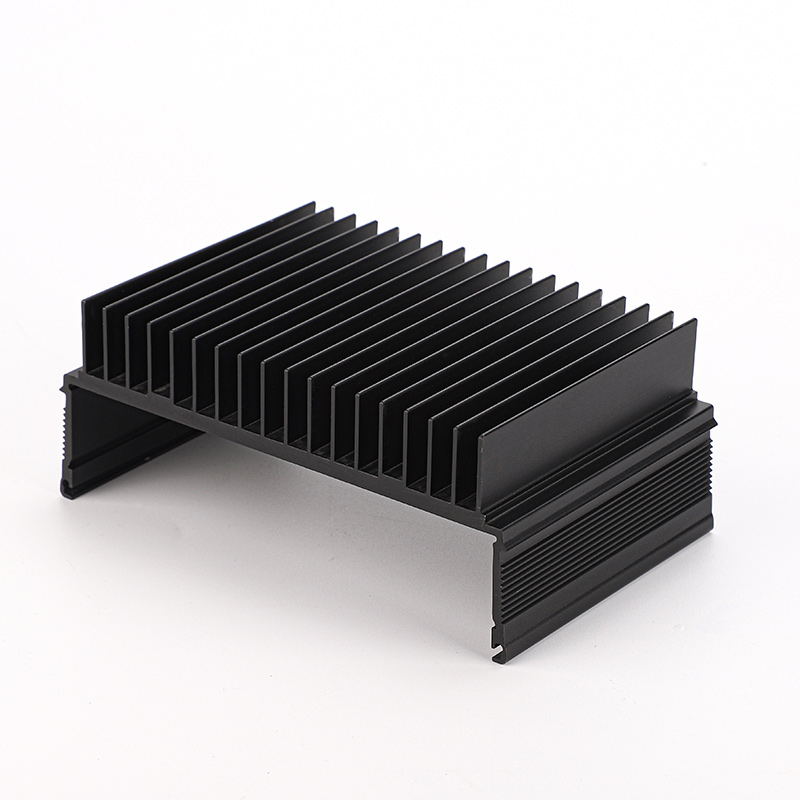
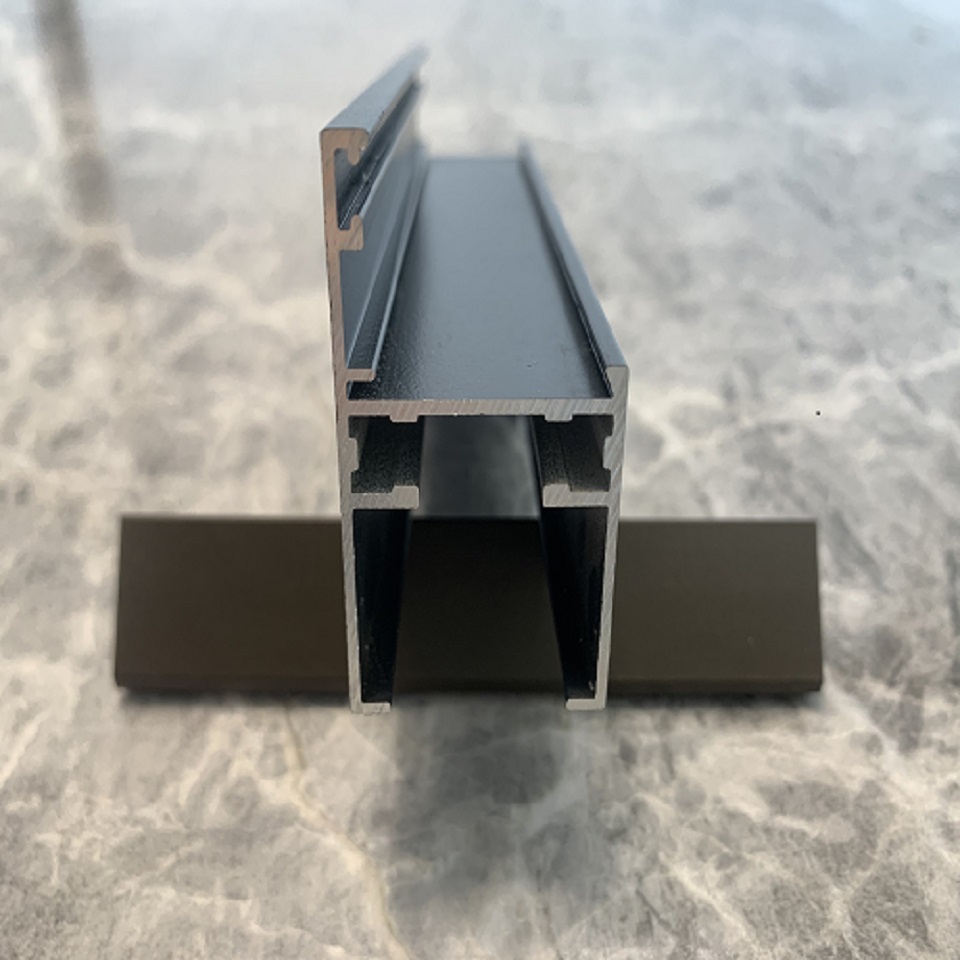
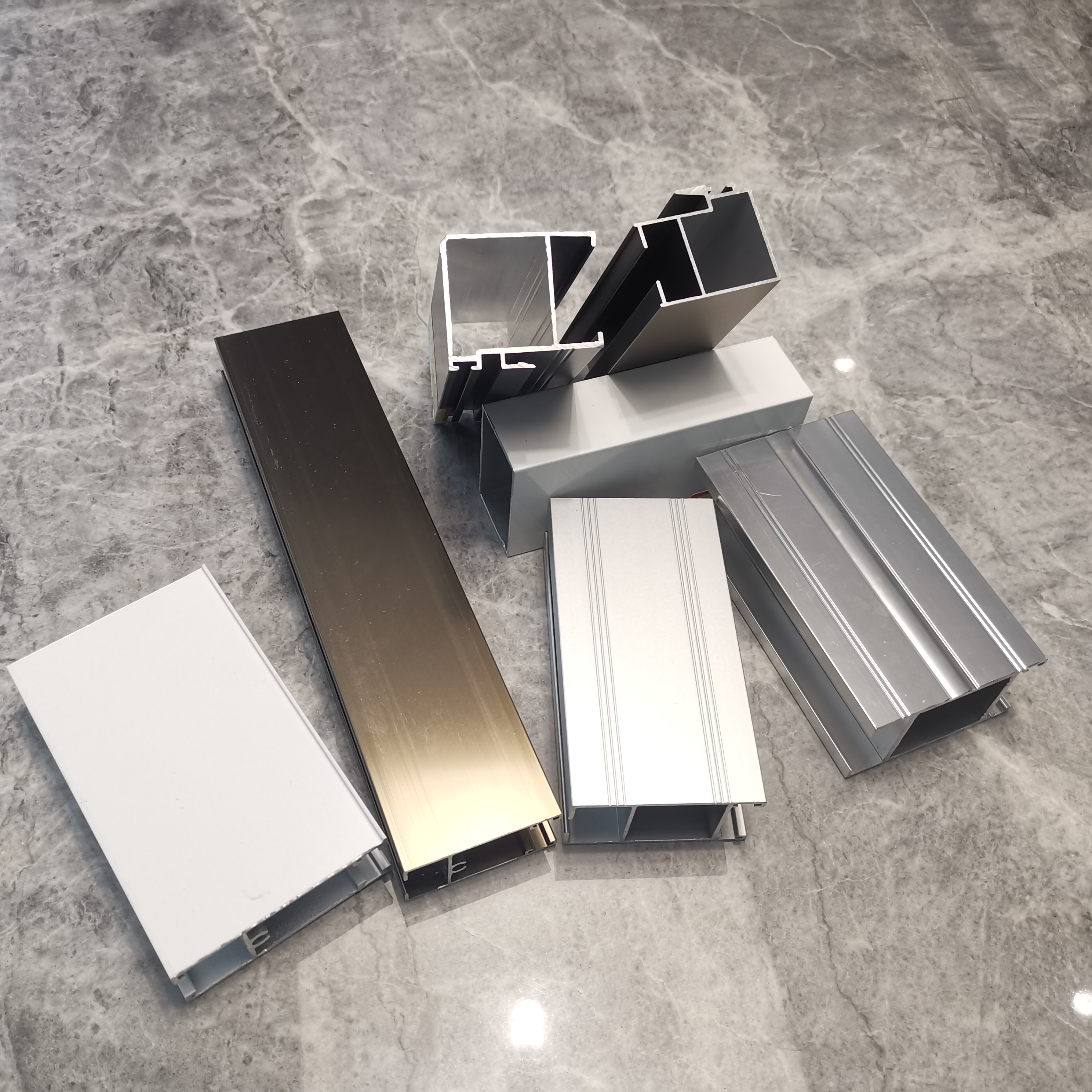
When it comes to sourcing high-quality aluminum and alloy products, China stands out as a leading manufacturer. My experience with these materials has shown how versatile and durable they are for various applications. Whether you’re in construction, automotive, or aerospace, having reliable aluminum solutions can make all the difference. I've found that Chinese manufacturers offer a vast range of aluminum products tailored to meet specific needs. From extrusions to sheets and specialized alloys, the options seem endless. Plus, many factories maintain rigorous quality control processes, ensuring that what you receive meets international standards. Working directly with manufacturers can also lead to more competitive pricing and customization options. If you’re a B2B purchaser looking for dependable partners in China, consider exploring the extensive offerings in aluminum and alloys. It’s about finding the right fit for your projects and building long-term relationships that benefit your business.
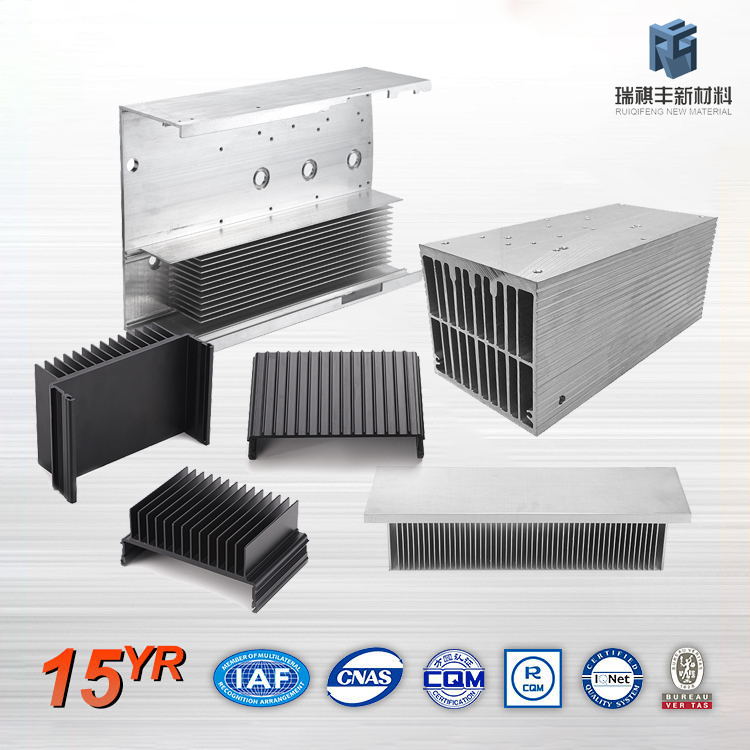
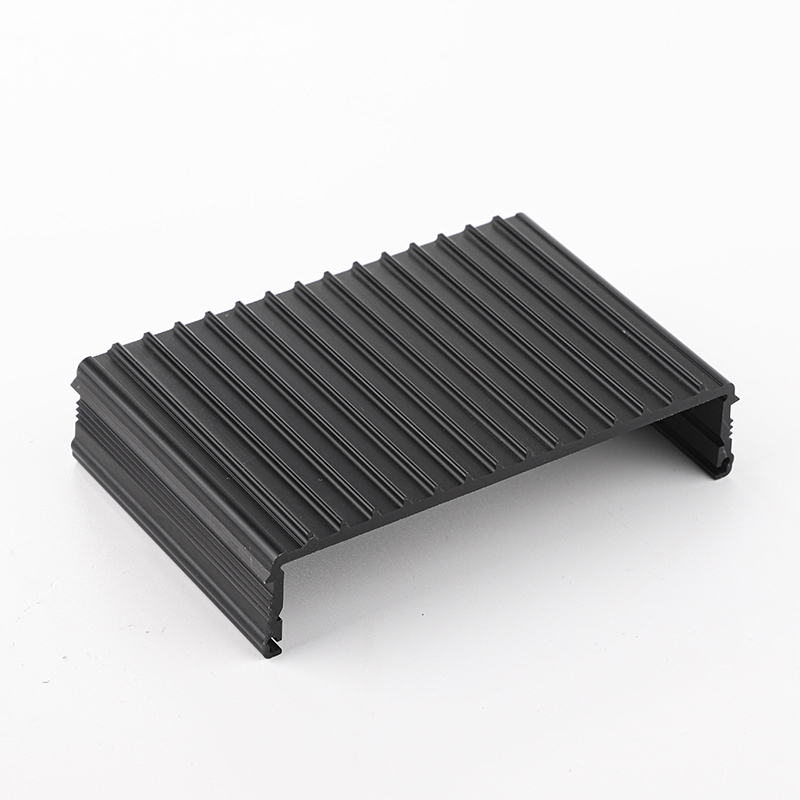
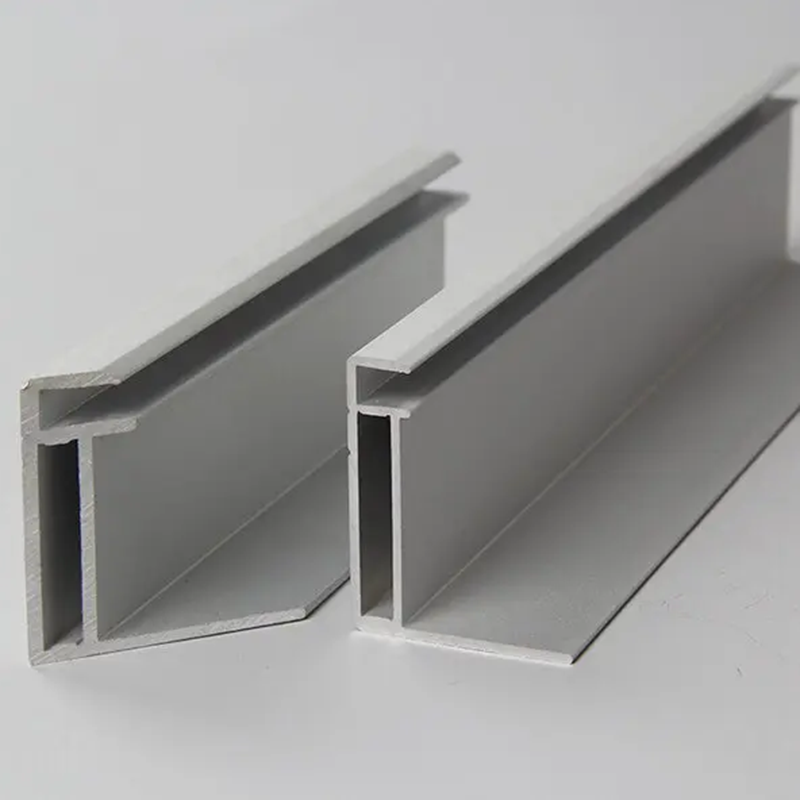
China Aluminum and Alloy Application Ahead of the Curve
In an era where lightweight materials play a crucial role in various industries, aluminum and its alloys are at the forefront of innovation. With a remarkable balance of strength, durability, and low density, these materials have become essential in sectors ranging from automotive to aerospace and construction. As global demand for sustainable and efficient materials rises, the applications of aluminum and its alloys continue to evolve, offering exciting opportunities for industries looking to enhance performance while reducing their carbon footprint. One area where aluminum and its alloys excel is in the automotive industry. With increasing regulations aimed at improving fuel efficiency and reducing emissions, manufacturers are turning to these materials to create lighter, more efficient vehicles. Additionally, the superior corrosion resistance and recyclability of aluminum make it an attractive choice for automakers striving for sustainability. Moreover, advancements in manufacturing technologies, such as additive manufacturing and advanced alloy compositions, have expanded the possibilities for custom applications. Another promising application of aluminum is in renewable energy systems, particularly solar panel frameworks and wind turbine components. The lightweight nature of aluminum allows for easier installation and transportation, contributing to the overall efficiency of these green technologies. As the world transitions towards renewable energy sources, the demand for high-performance aluminum products is expected to surge, positioning manufacturers who innovate and adapt to this trend ahead of the curve in the global market.
China Aluminum and Alloy Application Ahead of the Curve
| Application Area | Material Type | Performance Features | Market Growth Rate (%) | Key Benefits |
|---|---|---|---|---|
| Automotive | Aluminum Alloy 6061 | Lightweight, Corrosion Resistant | 7.5 | Improved fuel efficiency |
| Aerospace | Aluminum Alloy 7075 | High Strength, Low Density | 5.0 | Enhanced flight performance |
| Construction | Aluminum Alloy 5052 | Good Workability, Corrosion Resistance | 6.2 | Durability and aesthetic appeal |
| Electronics | Aluminum Alloy 3003 | Excellent Thermal Conductivity | 4.5 | Improved heat dissipation |
| Packaging | Aluminum Foil | Lightweight, Barrier Properties | 8.0 | Sustainability and recyclability |
Related Products


China Aluminum and Alloy Industry Giant Where Service Meets Innovation
Top Selling Products
- Related Blog
- Related Videos
- Reviews


