
China Manufacturer of Aluminum Heat Sink for LED & Black Anodize
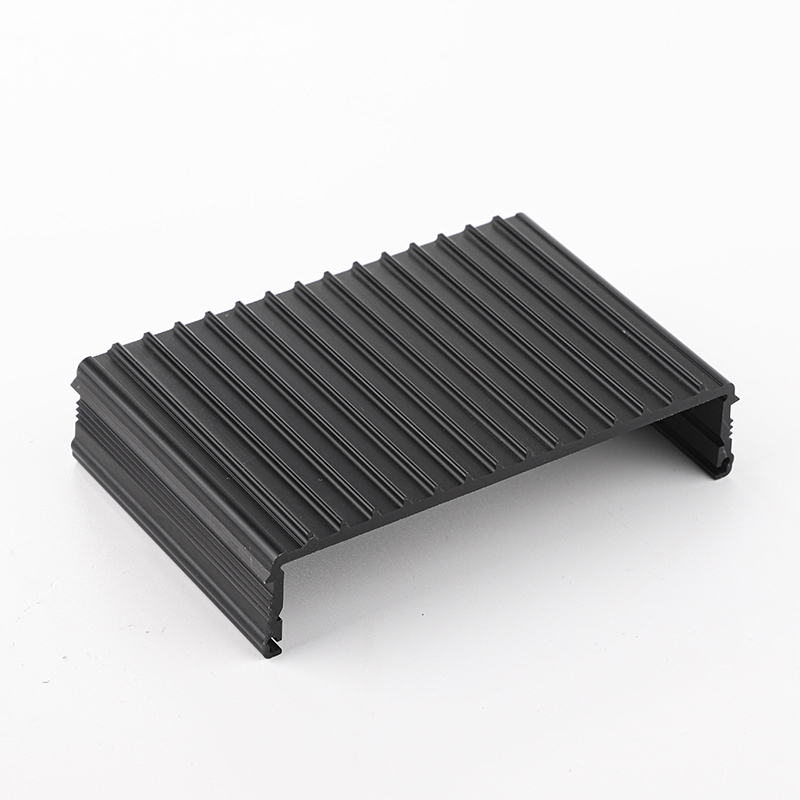
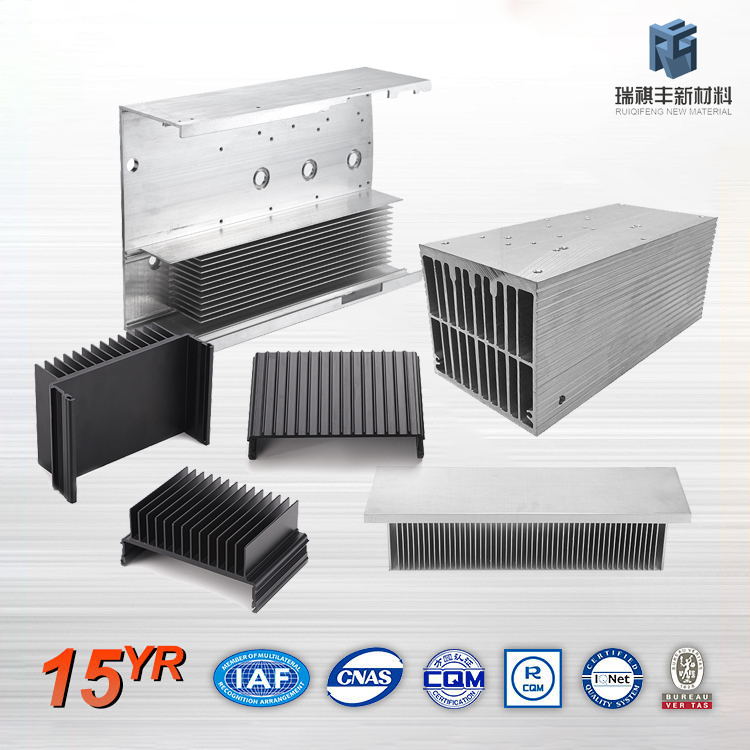
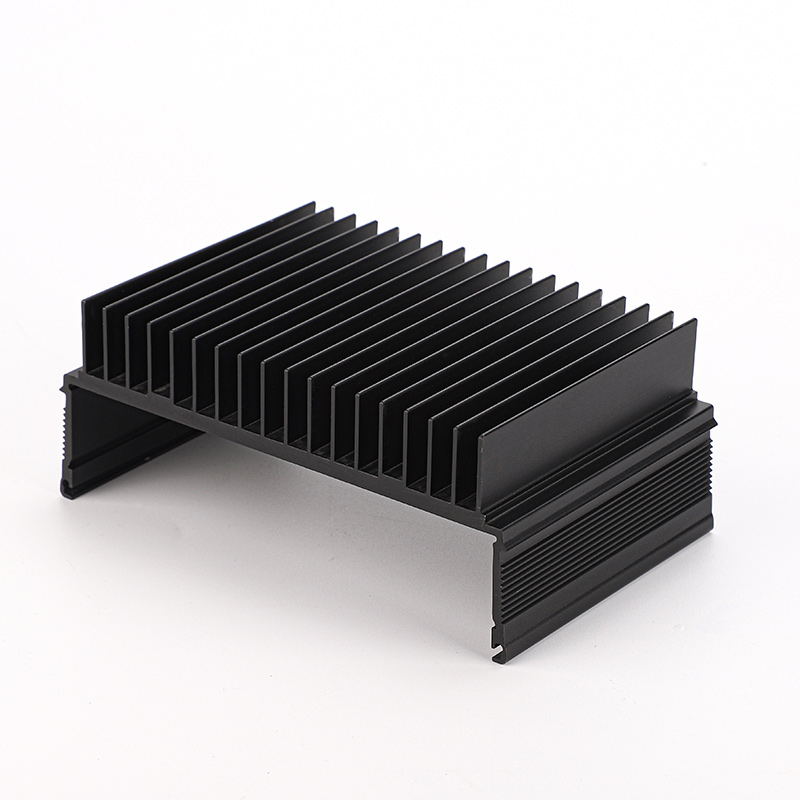
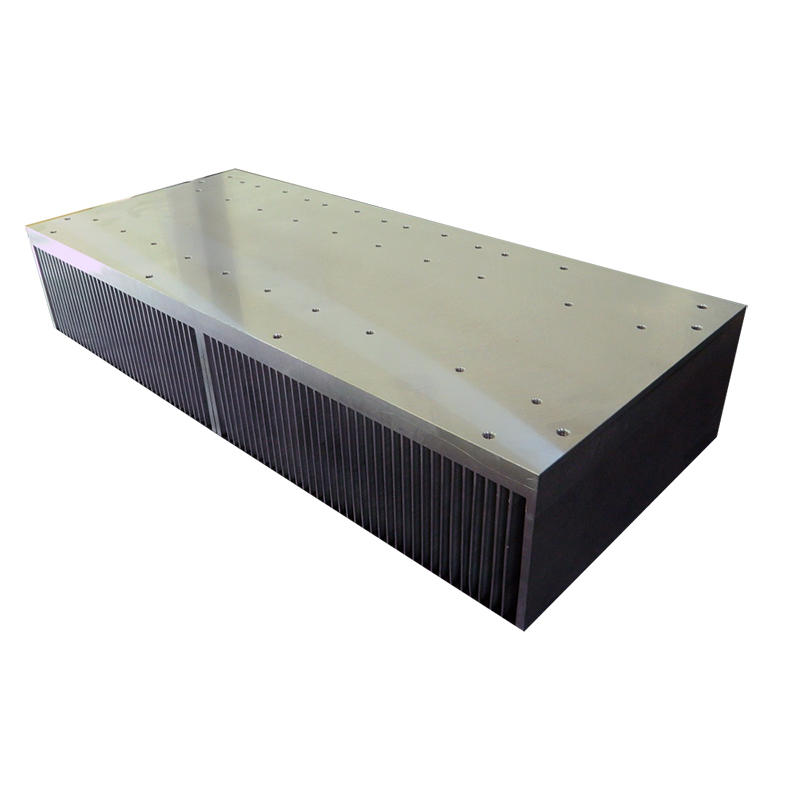
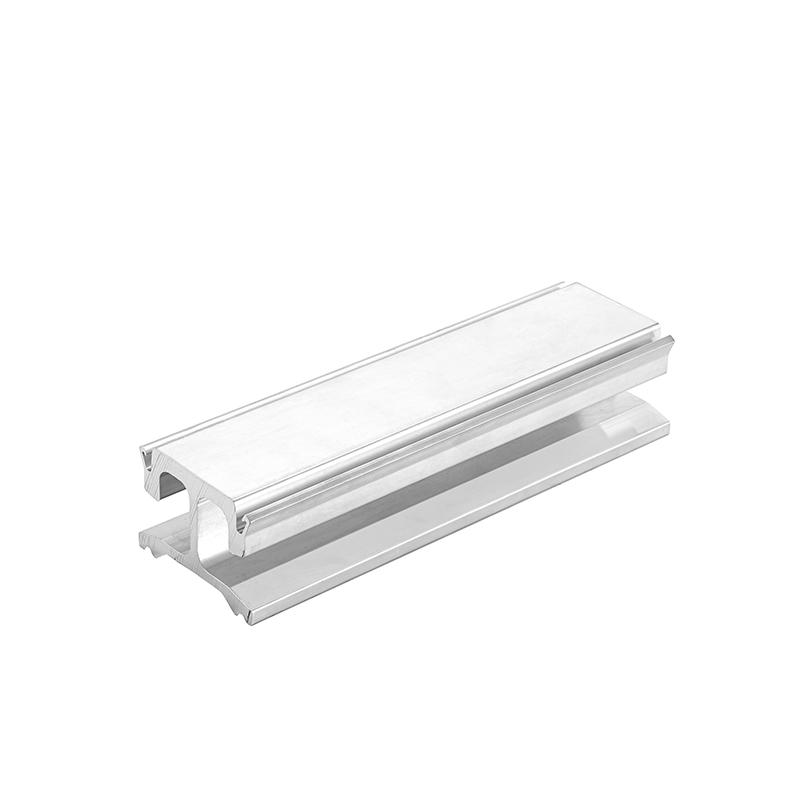
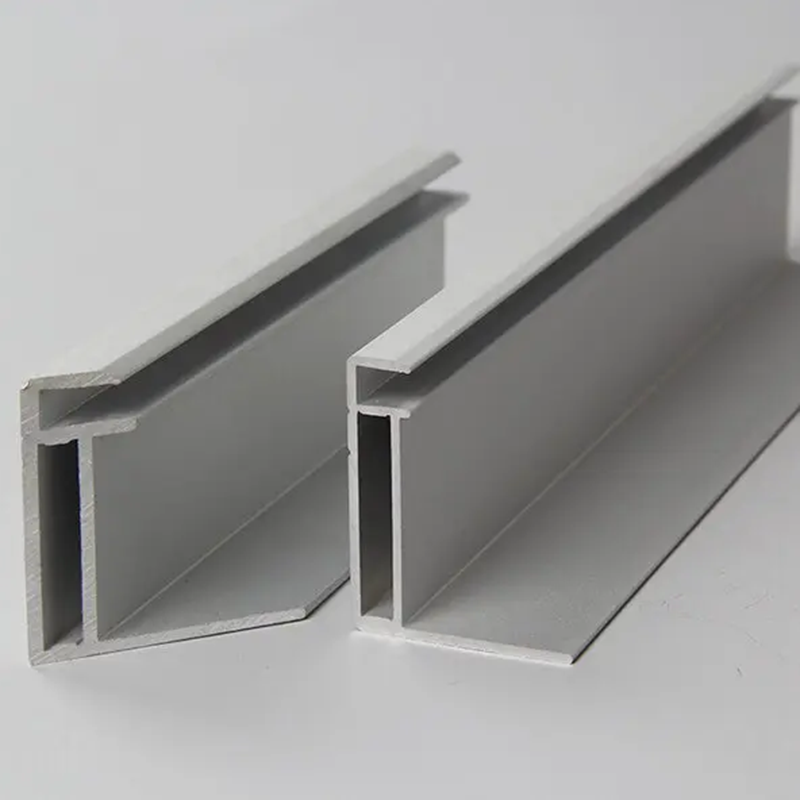
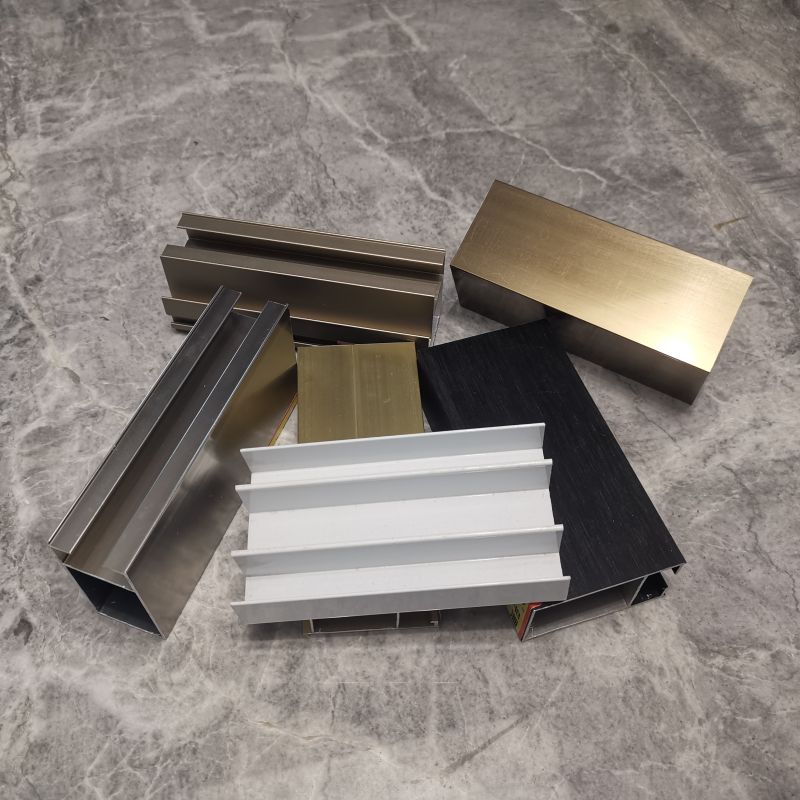
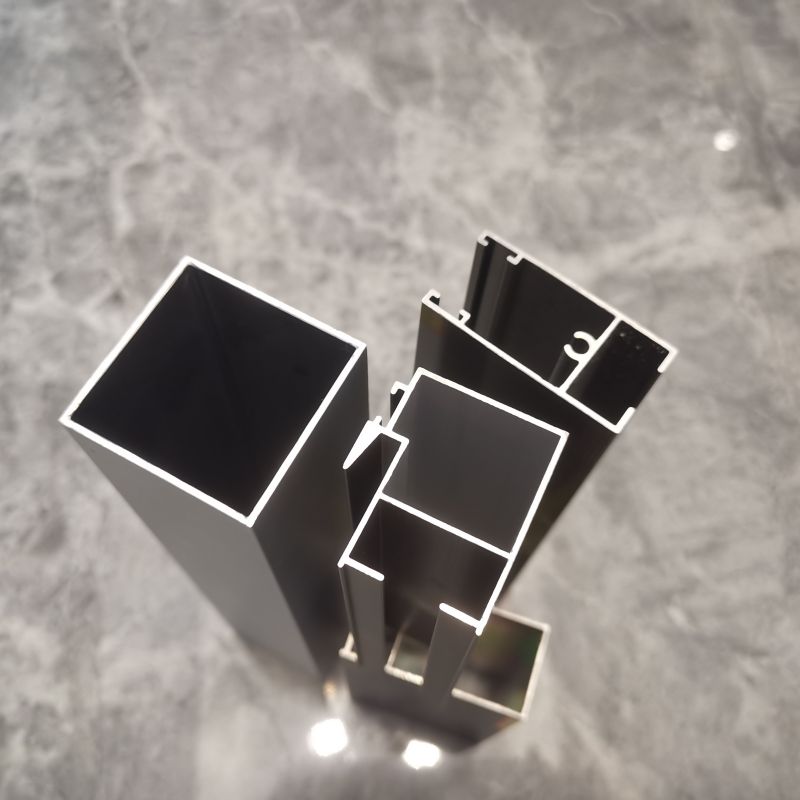
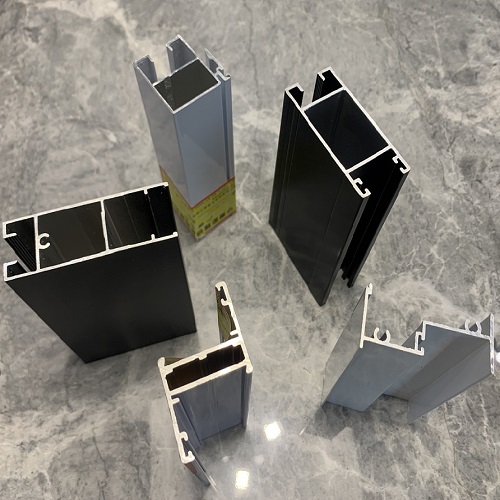
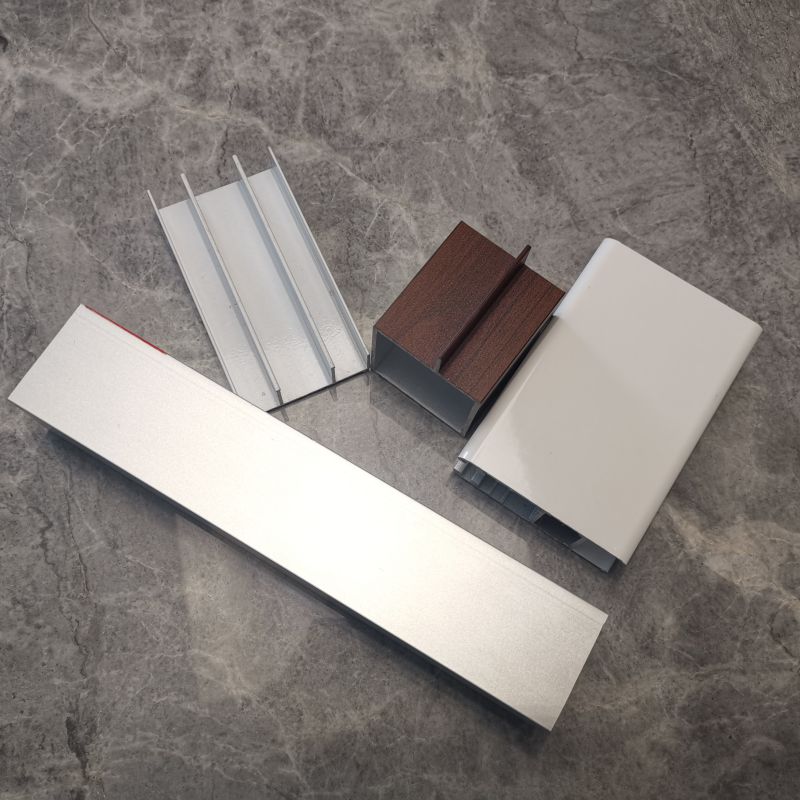
When I think about efficient heat management, the China Aluminum Heat Sink for LED and Black Anodize Heat Sink always comes to mind. As a trusted manufacturer, I ensure that our heat sinks are designed to provide optimal thermal conductivity, making them perfect for your LED applications. The durable black anodized finish not only enhances aesthetics but also improves resistance to corrosion and wear. I understand the demands of B2B purchasers, and that’s why I focus on quality and reliability. Whether you're looking to upgrade your existing products or start a new project, our heat sinks are engineered to meet various specifications, ensuring they perform under pressure. With competitive pricing and our commitment to customer satisfaction, I believe that partnering with us can elevate your product line. Let’s connect and discuss how our China Aluminum Heat Sink can meet your business needs and help you stay ahead in the market.
China Aluminum Heat Sink for LED and Black Anodize Heat Sink For the Current Year Your End-to-End Solution
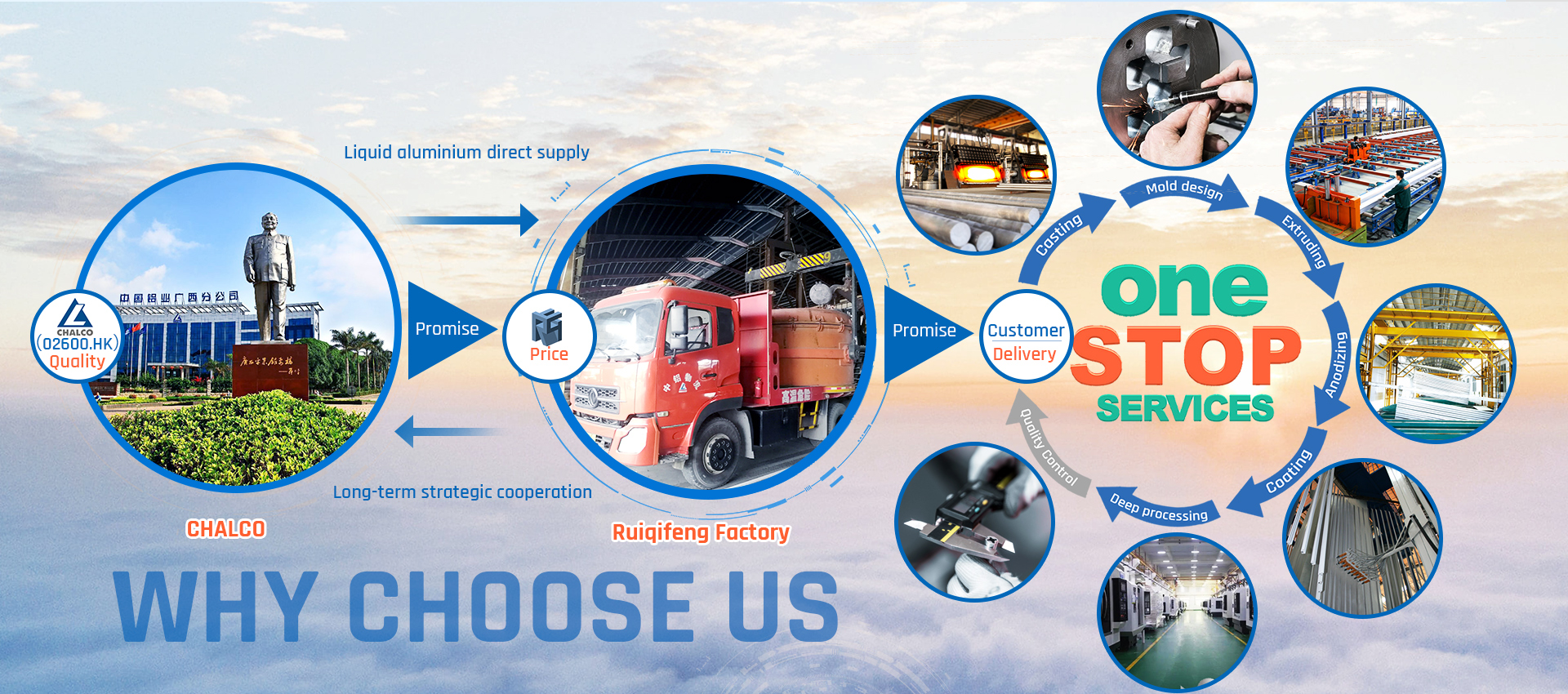
In today’s competitive market, the demand for high-performance heat management solutions is greater than ever, particularly in the LED industry. Aluminum heat sinks have emerged as a vital component due to their excellent thermal conductivity and lightweight nature. This year, global buyers are seeking reliable providers of aluminum heat sinks that not only cater to functional requirements but also adhere to aesthetic standards. The black anodized finish provides a sleek appearance while enhancing corrosion resistance, making it an ideal choice for various applications. As the LED market continues to evolve, manufacturers and suppliers must prioritize innovation and quality control in their production processes. Utilizing advanced techniques for the fabrication of aluminum heat sinks ensures superior performance and longevity. This is crucial for industries aiming to maximize efficiency and reduce energy costs. With an end-to-end solution in place, businesses can streamline their procurement, ensuring timely delivery and consistent quality of products that meet stringent industry standards. Collaboration with suppliers who understand the intricacies of aluminum heat sink fabrication can significantly enhance product development cycles. The right partner can provide customized solutions tailored to specific operational needs, reinforcing the reliability of LED applications across different sectors. Therefore, discerning buyers should focus on establishing relationships with manufacturers that prioritize both technological advancement and customer satisfaction this year.
China Aluminum Heat Sink for LED and Black Anodize Heat Sink For the Current Year Your End-to-End Solution
| Dimension (mm) | Material | Surface Treatment | Thermal Conductivity (W/mK) | Application |
|---|---|---|---|---|
| 100 x 50 x 10 | Aluminum 6063 | Black Anodized | 205 | LED Lighting |
| 150 x 75 x 12 | Aluminum 6061 | Natural Anodized | 200 | Industrial Equipment |
| 200 x 100 x 15 | Aluminum 6061 | Powder Coated | 210 | Consumer Electronics |
| 250 x 125 x 20 | Aluminum 6063 | Black Anodized | 215 | Heat Exchangers |
| 300 x 150 x 25 | Aluminum 6061 | Natural Anodized | 205 | LED Lighting |
Related Products
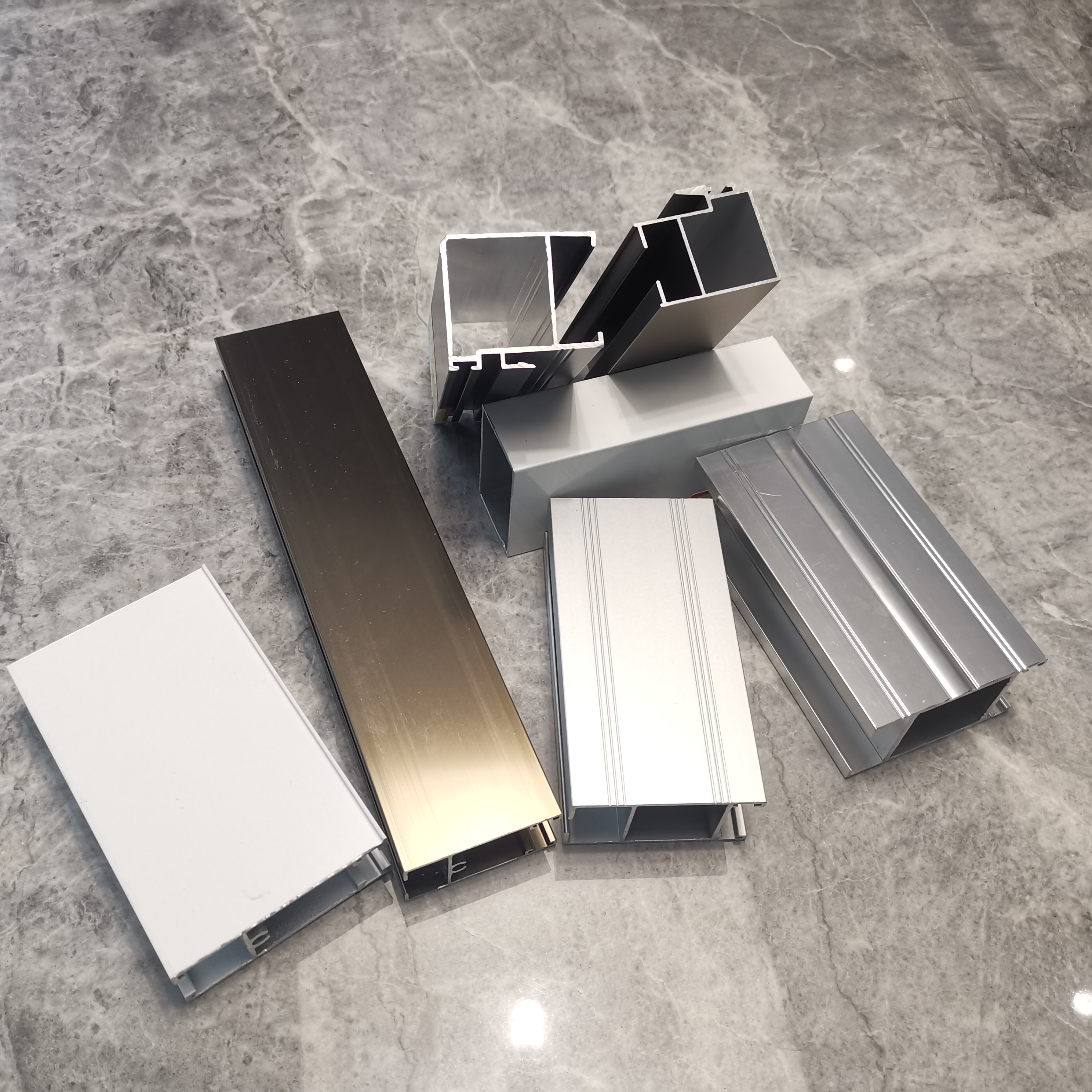


China Aluminum Heat Sink for LED and Black Anodize Heat Sink Stands Out From Concept to Delivery
Top Selling Products
- Related Blog
- Related Videos
- Reviews


