
Heat Sink Calculator for Efficient Cooling - Trusted China Manufacturer
As an engineer, I know how crucial it is to have the right tools at your fingertips, especially when it comes to thermal management. The Heat Sink Calculator is an essential tool for anyone in need of precision and efficiency in their projects. I’ve seen firsthand how this calculator simplifies the selection process, allowing me to quickly determine the ideal heat sink for any application. Teaming up with a reputable manufacturer in China, we bring you a reliable product that meets high industry standards. Our calculator helps ensure optimal performance and longevity of your devices, taking the guesswork out of thermal management. Whether you’re designing for consumer electronics or high-performance computing, this tool is tailored to enhance your efficiency. Investing in your projects with our Heat Sink Calculator means making informed decisions that lead to better outcomes. Trust me, it’s a game changer for engineers and product developers alike!
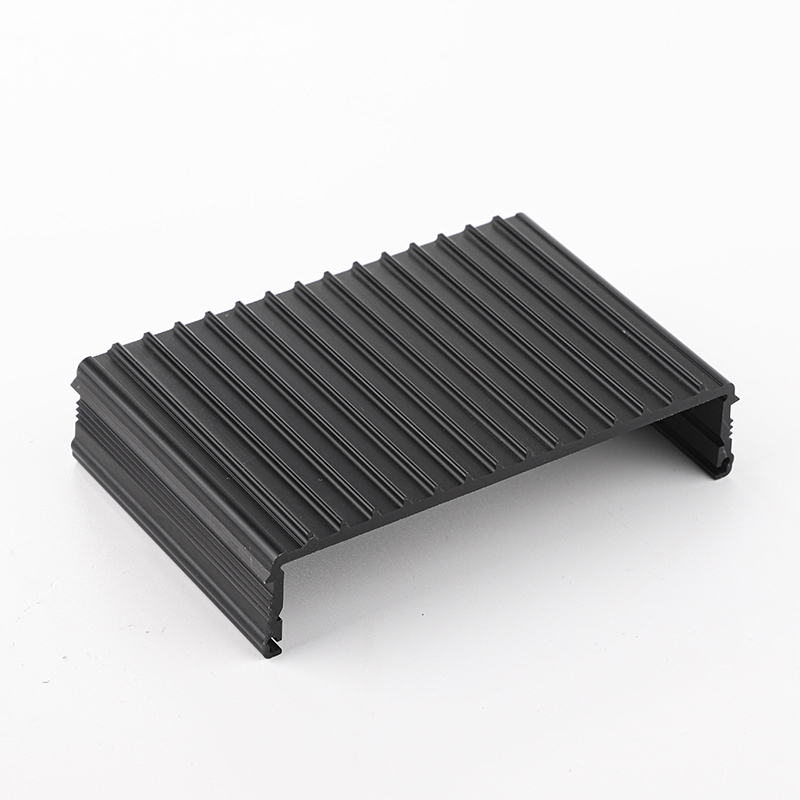
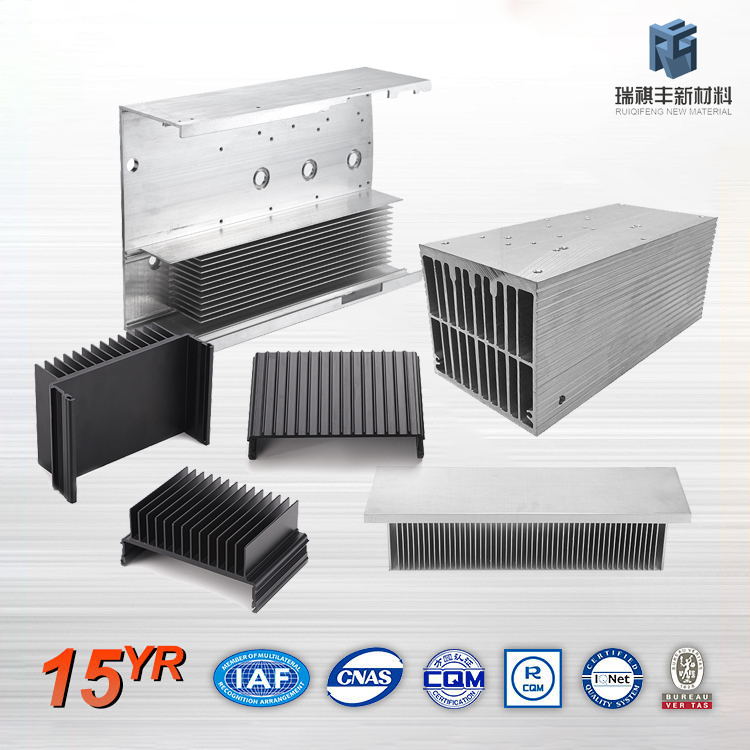
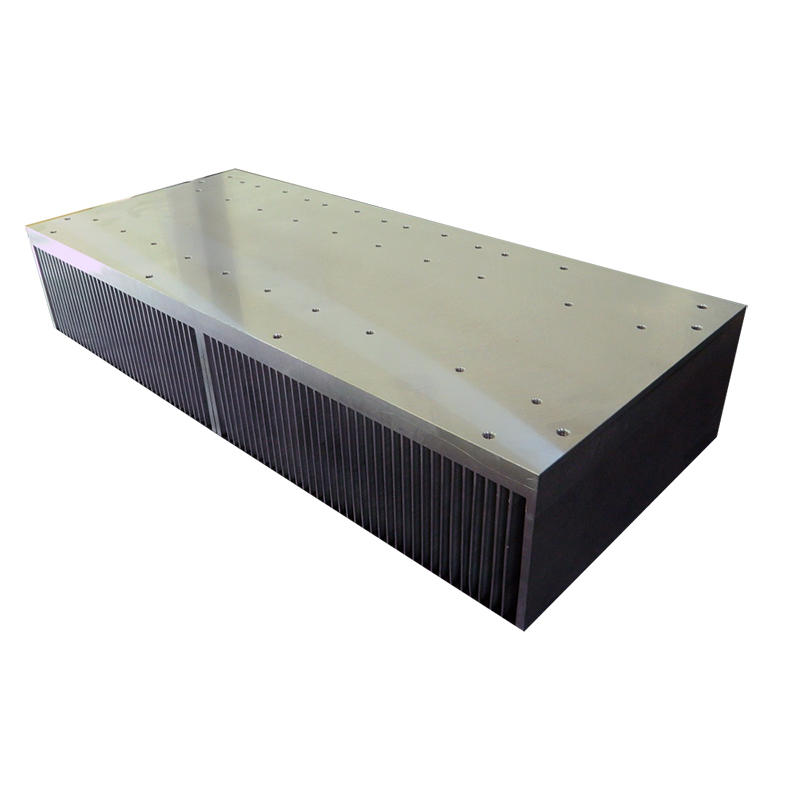
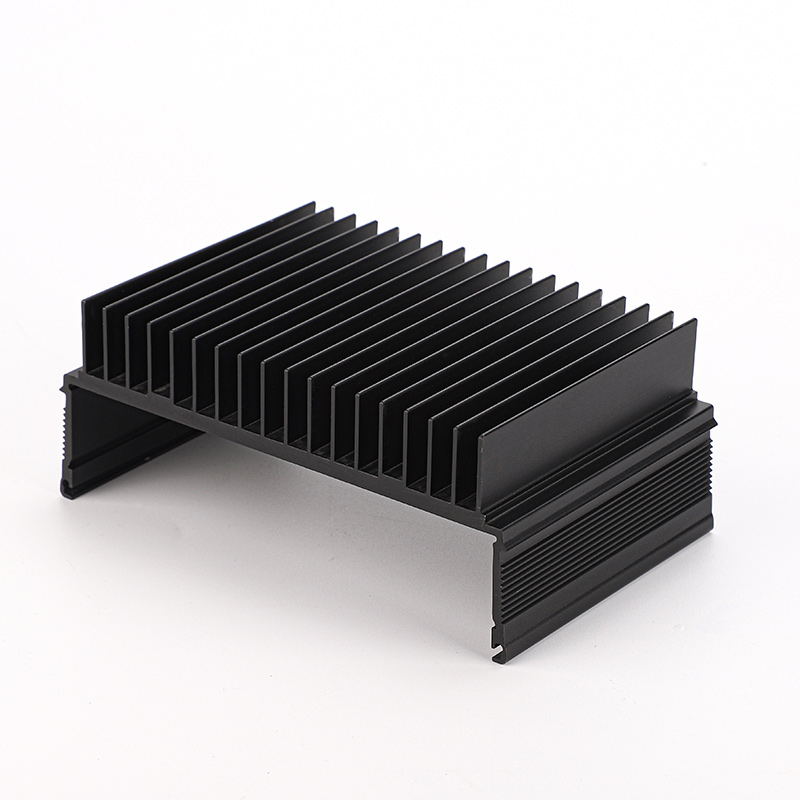

Heat Sink Calculator Leads the Global Market Guarantees Peak Performance
In today's rapidly evolving technological landscape, the demand for efficient cooling solutions is paramount. As electronic devices grow more powerful, the need for effective heat dissipation becomes crucial to ensure peak performance and longevity. The Heat Sink Calculator emerges as a pivotal tool in assisting engineers and designers in selecting the optimal heat sink solutions tailored to specific applications. By evaluating parameters such as thermal resistance, airflow, and material efficiency, this innovative calculator simplifies the selection process, ensuring that top-tier performance is consistently achieved. As the global market for electronics continues to expand, the integration of advanced materials in heat sink design is becoming increasingly important. Innovative materials not only enhance thermal conductivity but also reduce weight and physical footprint, allowing for more streamlined designs. This focus on optimization not only drives technological advancement but also aligns with sustainability goals by ensuring energy-efficient operations in a wide range of applications, from consumer electronics to industrial machinery. For global procurement specialists, leveraging cutting-edge tools and materials in heat sink design represents an opportunity to stay ahead in a competitive marketplace. By ensuring that products are equipped with tailored cooling solutions, businesses can enhance the reliability and efficiency of their electronics, thereby meeting consumer demands for high performance and durability. Embracing these technological advancements will undoubtedly lead to improved market positioning and sustained growth in an ever-changing global landscape.
Heat Sink Calculator Leads the Global Market Guarantees Peak Performance
| Material | Thermal Conductivity (W/m·K) | Weight (g) | Dimensions (mm) | Application |
|---|---|---|---|---|
| Aluminum | 205 | 50 | 100 x 100 x 20 | CPU Cooling |
| Copper | 400 | 70 | 150 x 150 x 25 | Power Amplifiers |
| Graphite | 100 | 30 | 120 x 120 x 15 | LED Lighting |
| Ceramic | 30 | 40 | 80 x 80 x 10 | High-Temperature Equipment |
| Silicon Carbide | 120 | 60 | 110 x 110 x 20 | Aerospace Applications |
Related Products


Heat Sink Calculator Guarantees Peak Performance Service Backed by Expertise
Top Selling Products
- Related Blog
- Related Videos
- Reviews


