
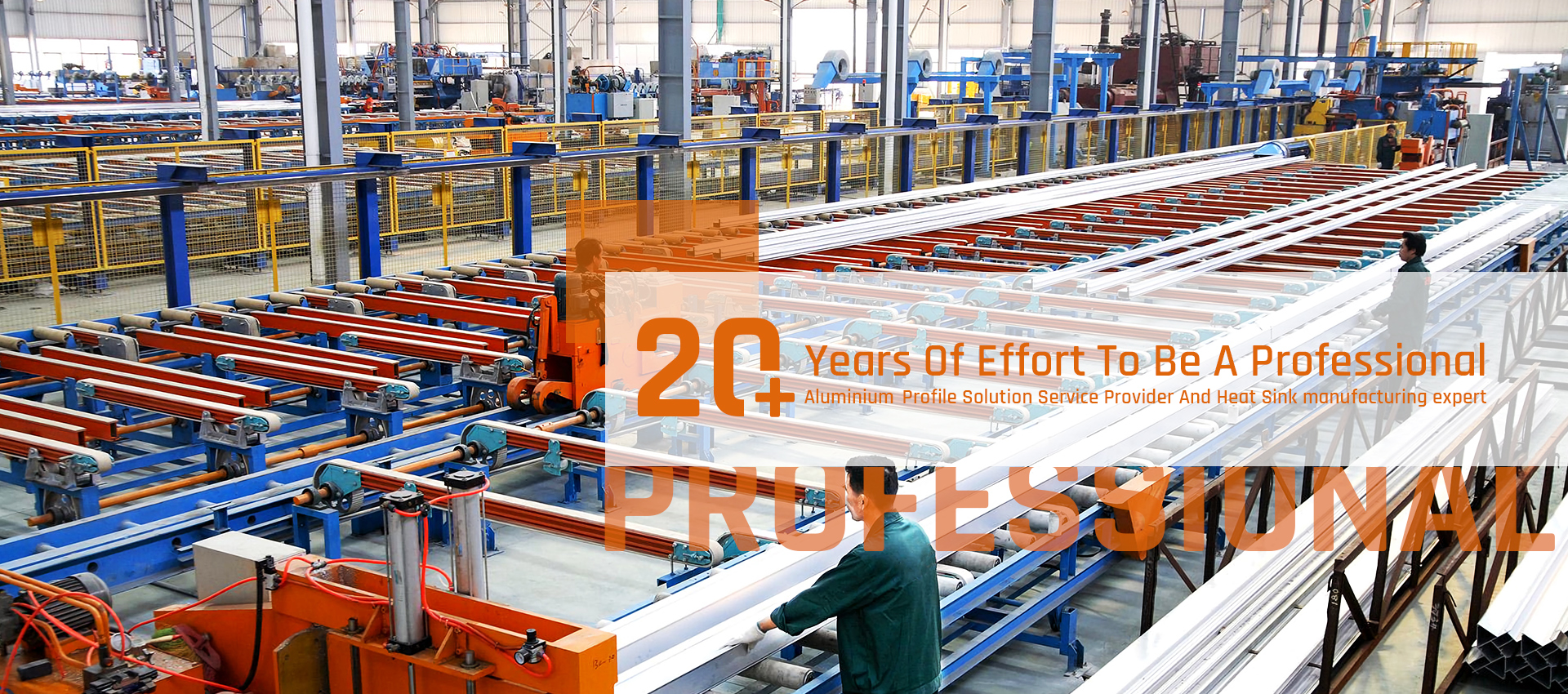
Top Thermal Management Solutions from Leading China Manufacturers
As a leading manufacturer in China, I understand the critical importance of effective thermal management in various applications. Whether it’s for electronics, automotive, or industrial machinery, managing heat efficiently is key to enhancing performance and longevity. Our innovative thermal management solutions are designed to address the unique challenges faced by businesses today. I have worked closely with our clients to develop tailor-made products that not only meet their specifications but also exceed their expectations. Our commitment to quality and reliability means you can trust our solutions to optimize heat dissipation and elevate your operational efficiency. With a variety of options available, including thermal pads, heat sinks, and advanced cooling systems, I’m confident we can help you find the right fit for your needs. Collaborating with a manufacturer that prioritizes customer satisfaction and cutting-edge technology can make all the difference in your project’s success. Let’s work together to elevate your thermal management strategies!
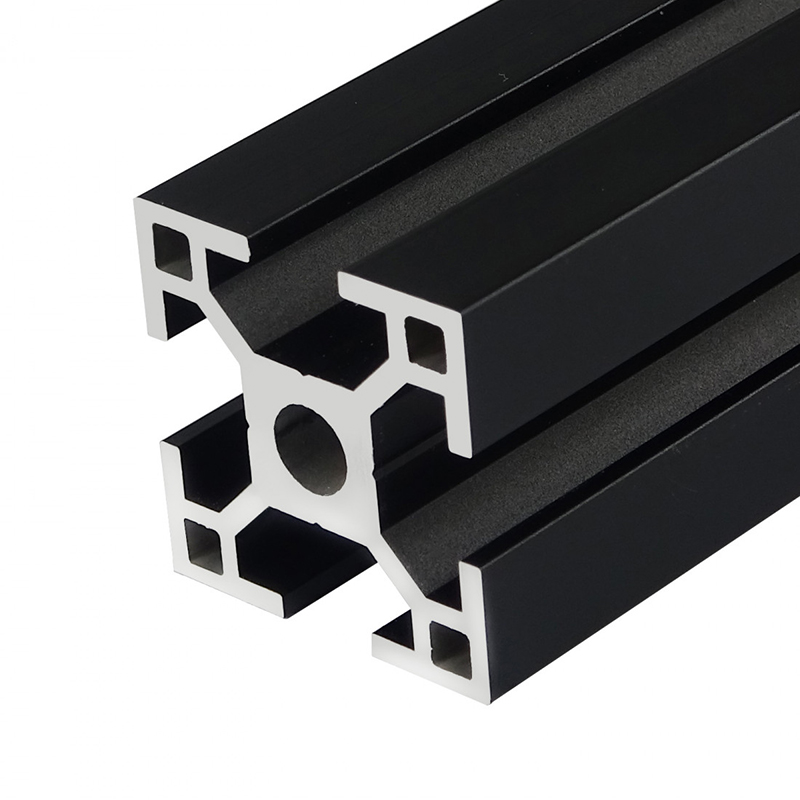
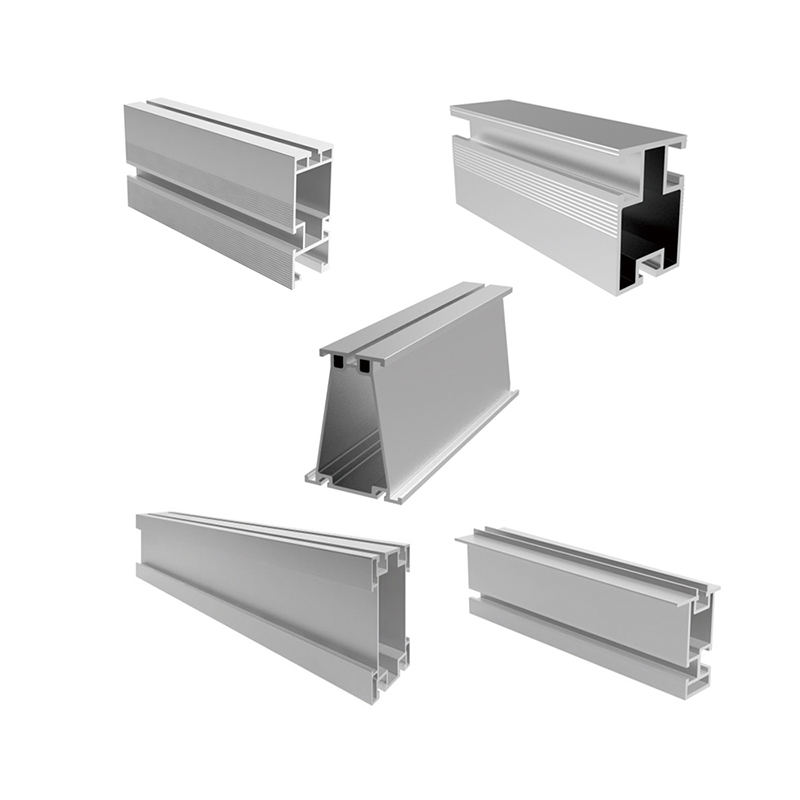
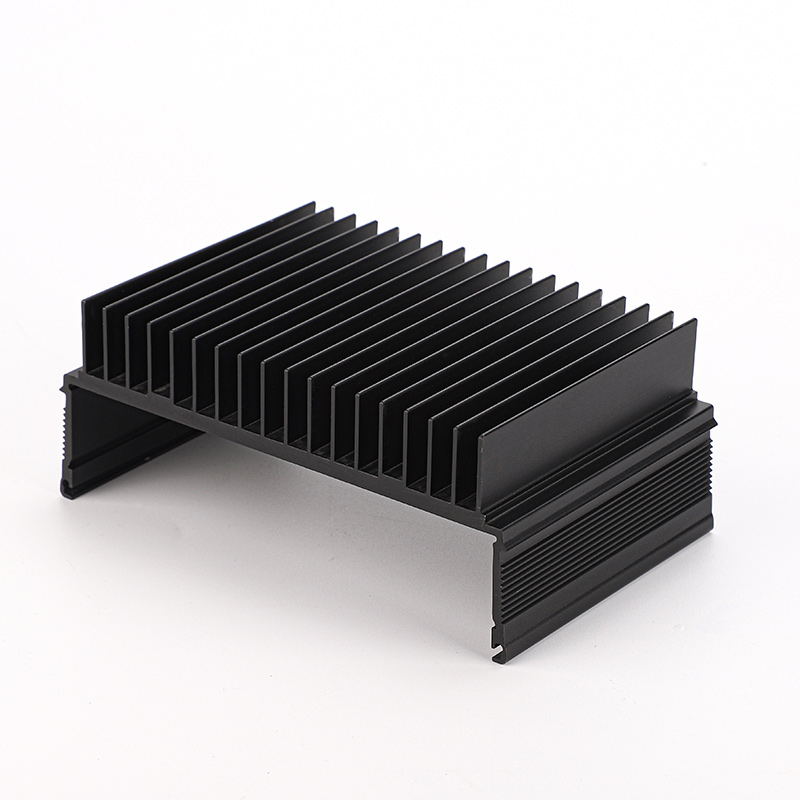

Thermal Management Industry Leaders Outperforms the Competition
In today's rapidly evolving thermal management industry, staying ahead of the competition requires not only innovation but also a deep understanding of emerging market needs. As global demand for efficient thermal management solutions rises, leaders in the field are redefining what it means to excel through a combination of advanced materials, cutting-edge technology, and unparalleled customer service. The drive for sustainability and performance enhancement has led to the development of novel materials that significantly improve thermal conductivity while also being environmentally friendly. In this competitive landscape, successful companies are those that prioritize research and development, constantly seeking to improve their product offerings and tailor solutions to meet specific customer requirements. Leveraging the latest advancements in material science, industry leaders are providing customized thermal solutions across sectors such as electronics, automotive, and renewable energy. This approach not only enhances product efficiency but also ensures that clients can meet regulatory standards and consumer expectations for sustainability. To continue to outperform competitors, it is vital for companies in the thermal management sector to foster strategic partnerships and invest in innovative technologies. By doing so, they can stay ahead in delivering high-performance solutions that not only meet but anticipate the future needs of the marketplace. As buyers look for reliable suppliers to navigate an increasingly complex global supply chain, choosing leaders in thermal management can enhance operational efficiency and drive long-term success.
Thermal Management Industry Leaders Outperforms the Competition
| Company Name | Market Share (%) | Year-on-Year Growth (%) | Innovation Score (Out of 10) |
|---|---|---|---|
| Company A | 30 | 15 | 9 |
| Company B | 25 | 10 | 8 |
| Company C | 20 | 20 | 7 |
| Company D | 15 | 12 | 8 |
| Company E | 10 | 8 | 6 |
Related Products


Thermal Management in 2025 Pioneers in the Field
Top Selling Products

- Related Blog
- Related Videos
- Reviews


