
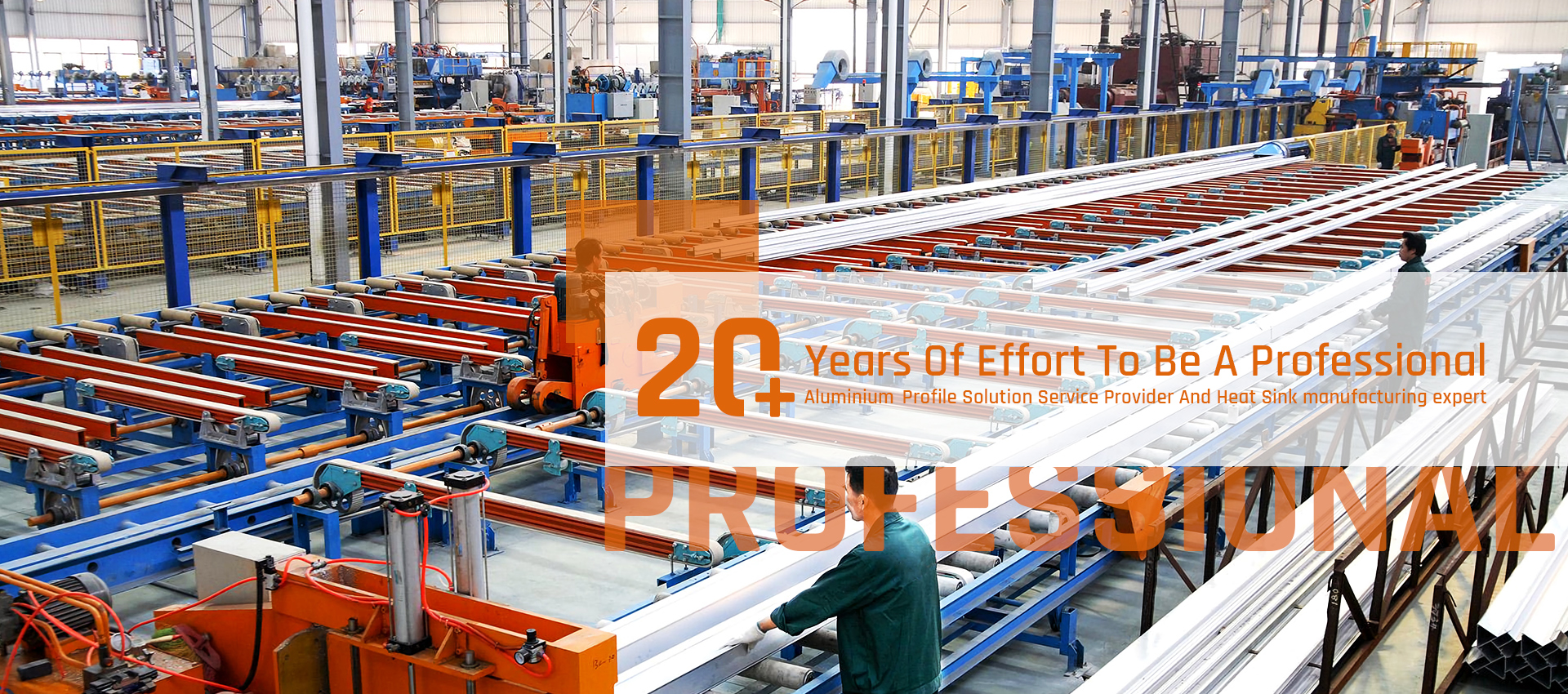
Top China Manufacturer of Cooling Fins and Heat Sinks for Efficient Cooling
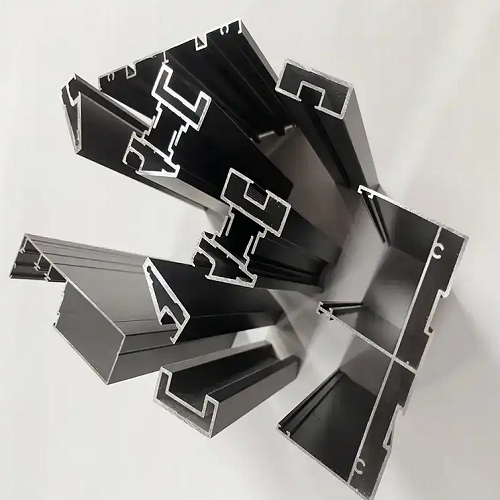
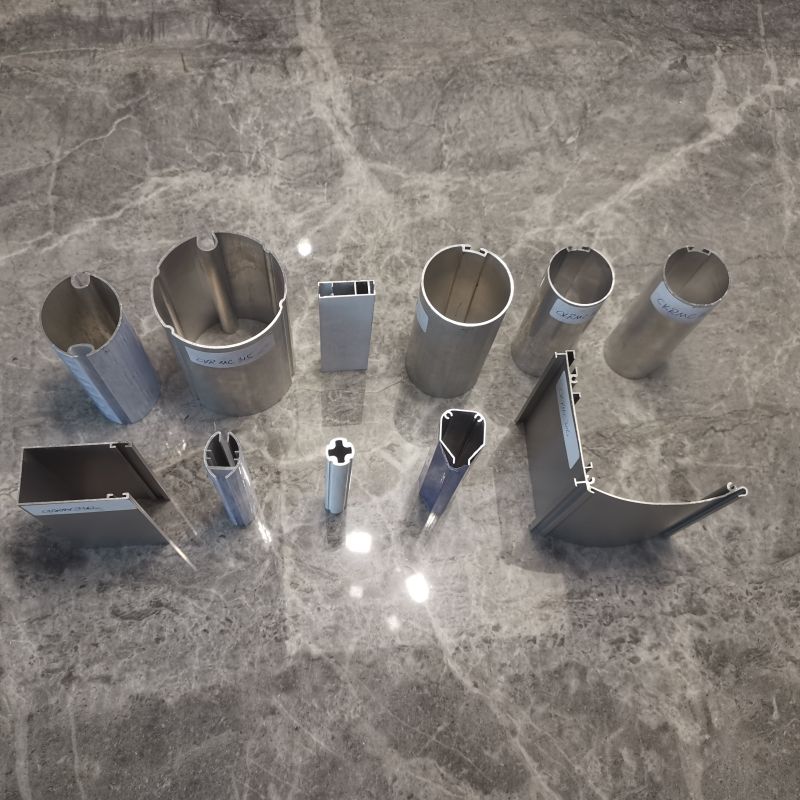
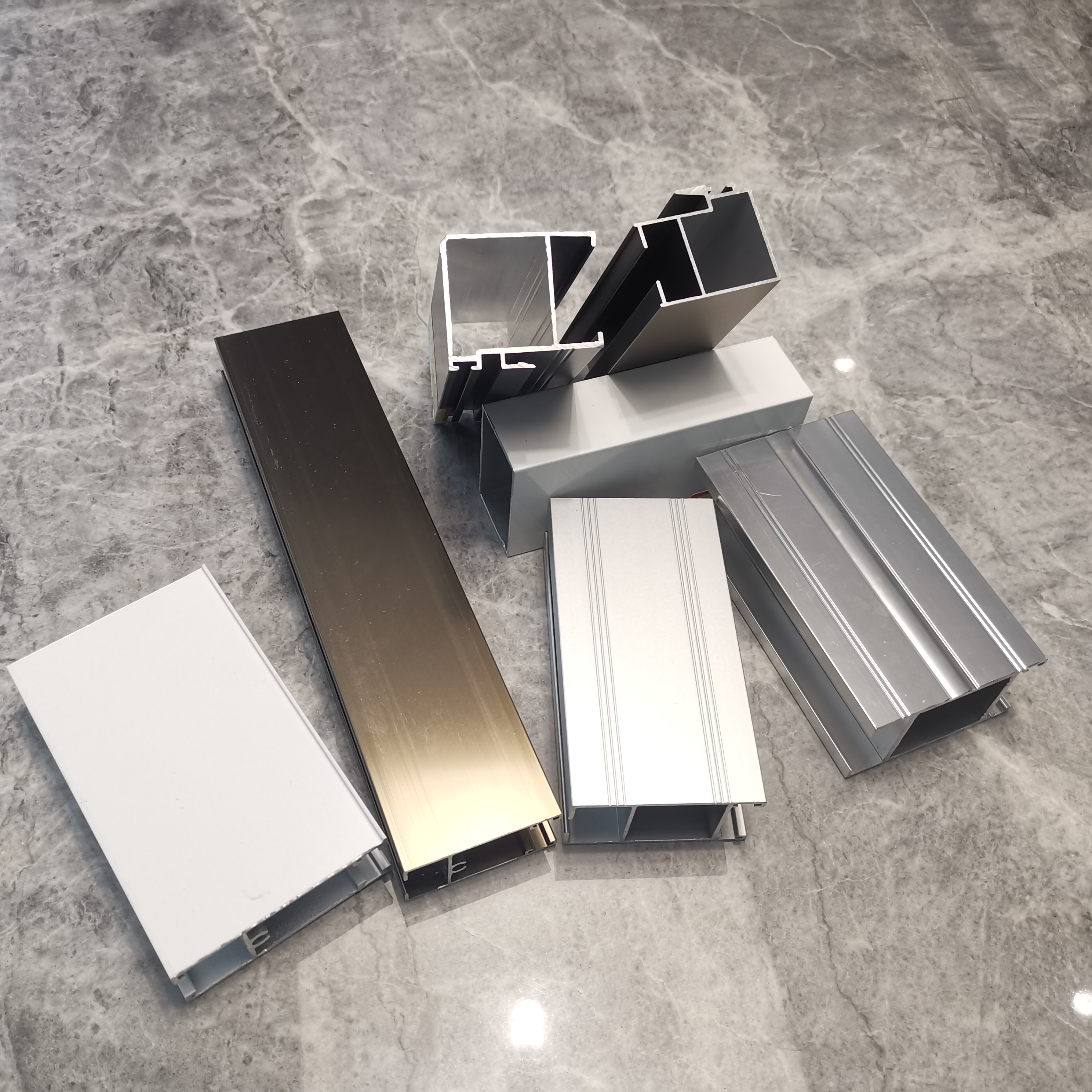
As a leading provider of cooling solutions, I understand the critical role that high-quality cooling fins and heat sinks play in optimizing product performance. Our China Cooling Fin and Heat Sink products are crafted with precision, ensuring that you get the most efficient heat dissipation for your applications. When sourcing from a China manufacturer, it’s crucial to choose one that prioritizes quality and innovation. That's exactly what we do. Our designs are tailored to meet your specific needs, whether you're in electronics, automotive, or any other industry requiring reliable thermal management solutions. With competitive pricing and a commitment to excellence, I help businesses like yours stay ahead of the competition. Let’s work together to enhance your products' durability and efficiency with our top-notch cooling solutions. Trust in our expertise and dedication to meet your manufacturing requirements seamlessly.
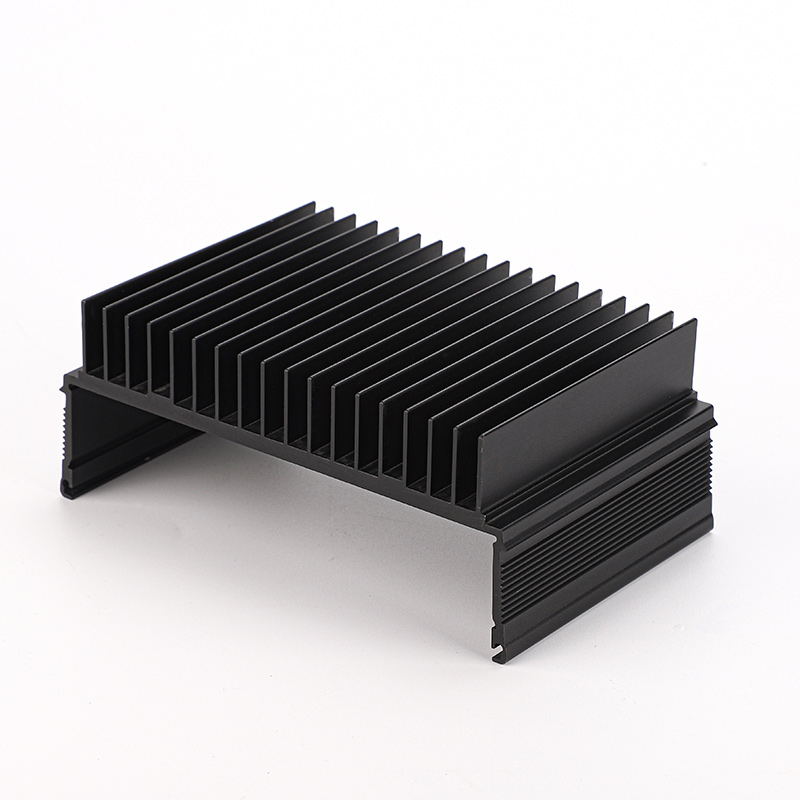
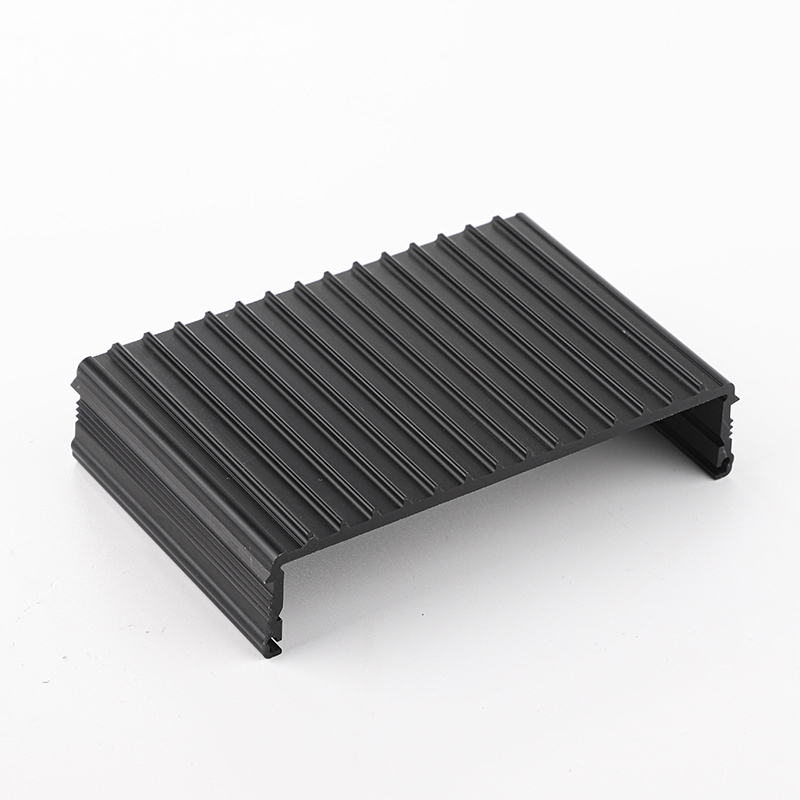
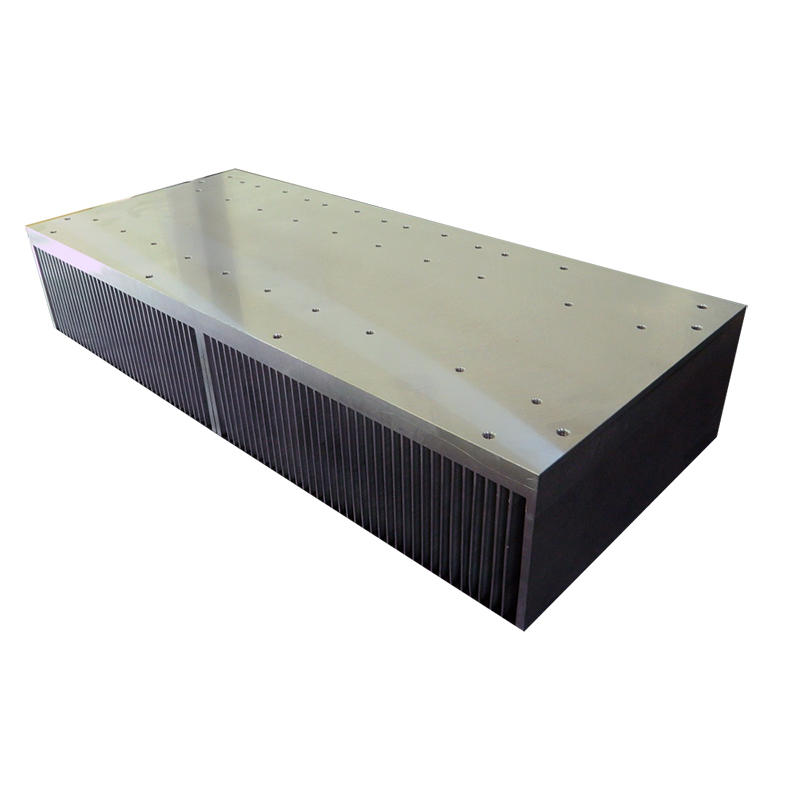
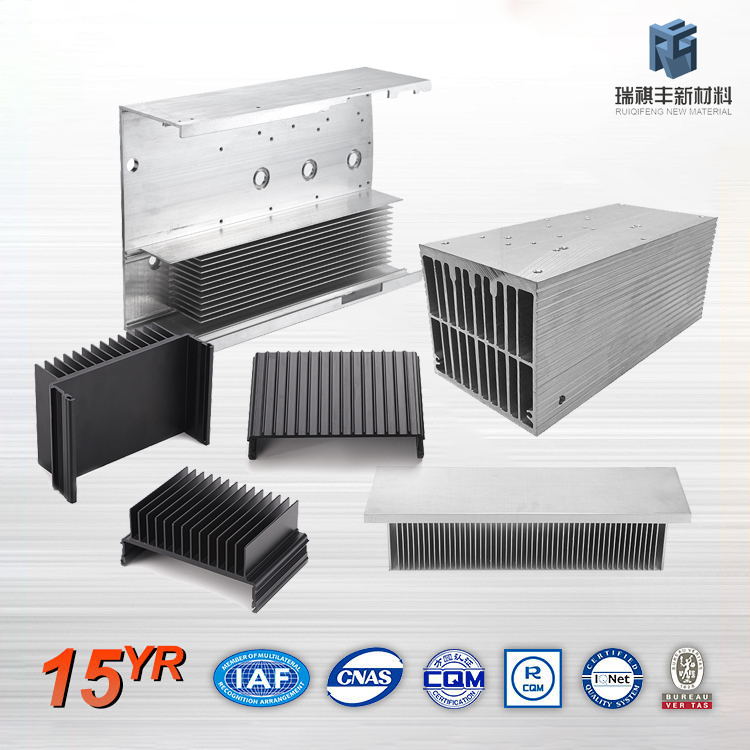
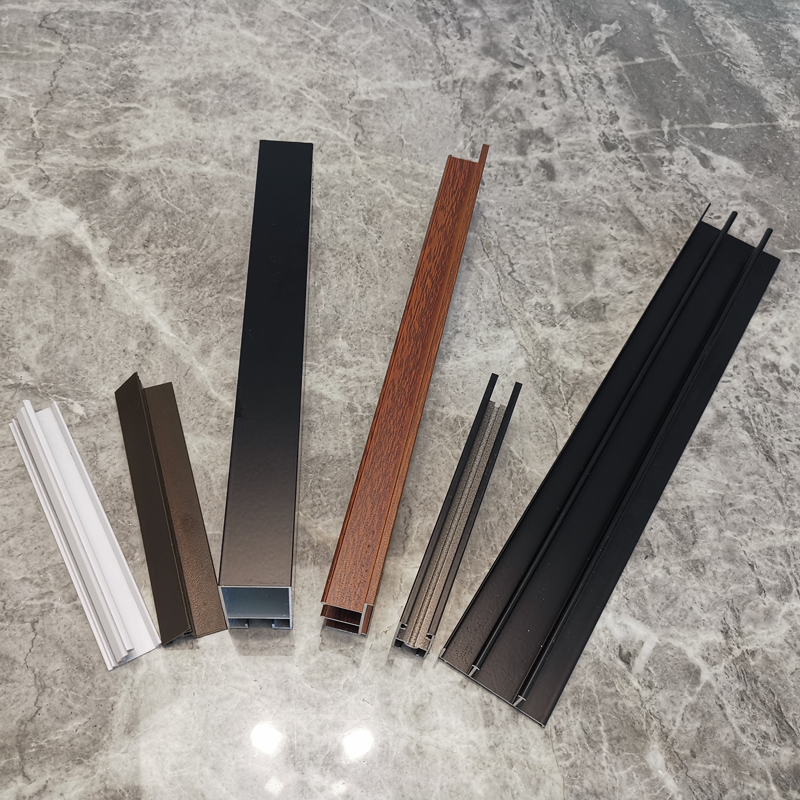
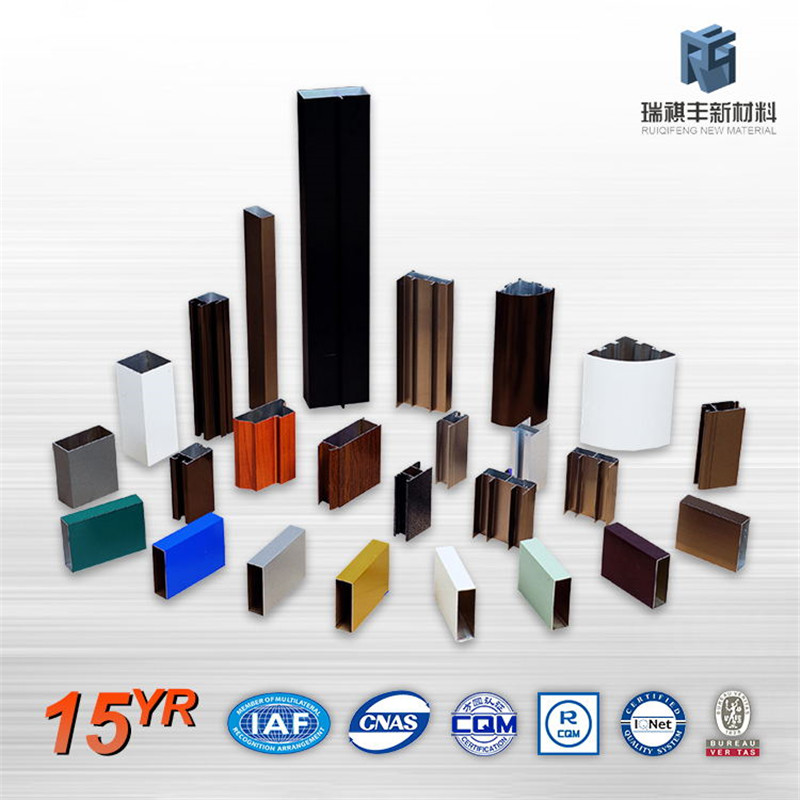
China Cooling Fin and Heat Sink Application Is The Best
In the fast-evolving world of technology, efficient thermal management is crucial for ensuring the longevity and performance of electronic devices. As industries across the globe strive for innovative solutions, the demand for high-quality cooling fins and heat sinks is surging. The unique properties of materials such as aluminum, copper, and advanced composites have made them ideal for various cooling applications, optimizing heat dissipation in sectors ranging from consumer electronics to automotive and industrial machinery. China has emerged as a leading manufacturer of cooling solutions, driven by advancements in material science and engineering expertise. The nation's ability to produce customized and cost-effective heat sink designs has attracted global buyers seeking reliable partners for their thermal management needs. With stringent quality control standards and cutting-edge machining techniques, these products not only meet but often exceed international performance benchmarks. Investing in Chinese cooling technology can significantly enhance product efficiency while reducing overall costs, providing a competitive edge in today's market. As a global purchaser, aligning with a reputable manufacturer that understands the intricacies of thermal management can lead to successful projects and satisfied end-users. By leveraging China's extensive resources and innovative capabilities, businesses can secure the best solutions tailored to their specific requirements, ensuring reliability and peak performance in their applications. The future of heat management technology is promising, and with the right partnerships, businesses can drive efficiency and sustainability in their operations.
China Cooling Fin and Heat Sink Application Is The Best
| Application Area | Material | Thermal Conductivity (W/m·K) | Typical Applications | Efficiency Rating |
|---|---|---|---|---|
| Consumer Electronics | Aluminum | 205 | Laptops, Smartphones | 85% |
| Industrial Equipment | Copper | 401 | Servers, Motor Drives | 90% |
| Automotive | Aluminum Alloys | 200 | Electric Vehicles, HVAC Systems | 88% |
| Aerospace | Titanium | 21.9 | Satellite Cooling | 75% |
| Renewable Energy | Graphene | 5300 | Solar Inverters | 92% |
Related Products

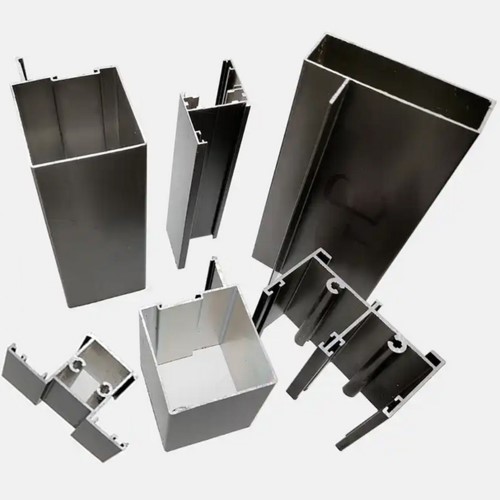




China Cooling Fin and Heat Sink Pioneers in the Field Your Trusted OEM Partner
Top Selling Products
- Related Blog
- Related Videos
- Reviews


